


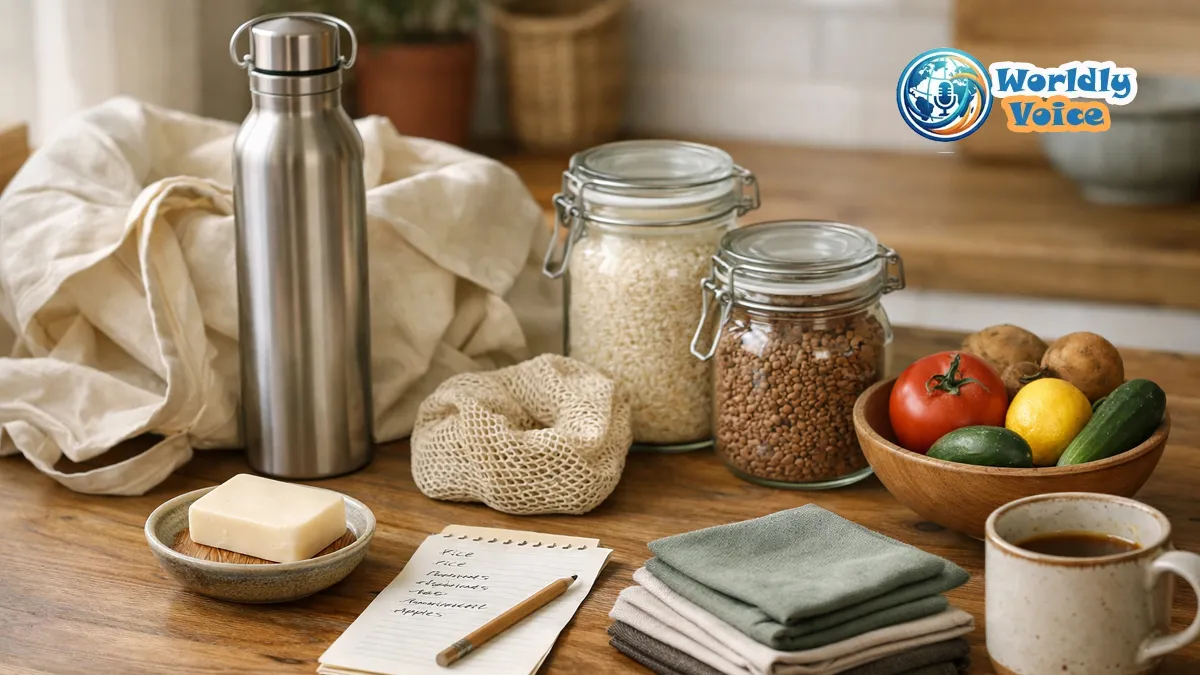
I used to think zero-waste living was something reserved for people with perfect pantries, matching glass jars, and a bigger budget than mine. Then I actually tried it. What I learned changed my mind fast: learning how to start a zero-waste lifestyle on a budget is less about buying trendy eco-products and more about using what you already have, wasting less, and spending more carefully.
That shift matters. In my experience, the biggest wins came from small habits: reusing jars, carrying a water bottle, planning meals, and saying no to unnecessary packaging. None of that required a lifestyle overhaul. It required attention. If you want a practical, affordable path, this guide walks through the steps I would recommend to anyone starting from scratch.
If you also enjoy practical home habits, this pairs well with Beginner Composting Tips and even broader lifestyle planning content like Latest Online Tool Guide ZardGadjets when you want systems that simplify daily routines.
1. Start With a Trash Audit, Not a Shopping List
The first step in how to start a zero-waste lifestyle on a budget is not buying bamboo cutlery or stainless-steel straws. It is looking honestly at your trash.
I spent about 15 minutes checking what filled my bin over a few days. The result was obvious:
- Food scraps
- Plastic produce bags
- Takeout containers
- Paper towels
- Snack wrappers
That simple audit told me where my money and waste were both leaking out. Most people do not need a full home makeover. They need a pattern check.
What to look for in your bin
Ask yourself:
- What do I throw away most often?
- Which items are single-use?
- What do I buy repeatedly?
- What could I replace, refill, reuse, or avoid?
This is where reducing household waste on a budget becomes practical. You stop guessing and start targeting the habits with the biggest payoff.
For many households, the top categories are food waste, disposable kitchen products, and overpackaged groceries. Most studies agree these are among the easiest places to cut waste quickly while also lowering monthly expenses.
2. Reuse First, Then Swap Slowly
One of the biggest mistakes I see is people trying to “buy their way” into sustainability. That usually gets expensive fast. A better approach is simple: use what you already own until it wears out.
That means:
- Keep using old plastic containers instead of tossing them just to buy glass
- Turn worn T-shirts into cleaning rags
- Reuse pasta sauce jars for storage
- Wash and reuse grocery bags you already have
This is one of the most overlooked affordable sustainable living tips because it is not glamorous. But it works.
Easy zero-waste swaps for beginners
Once you have reused what you can, start with a few low-cost swaps that solve recurring waste:
- Reusable water bottle
- Cloth shopping bags
- Reusable produce bags
- Bar soap
- Shampoo bar
- Cloth napkins or rags instead of paper towels
- A basic lunch container for leftovers
These are easy zero-waste swaps for beginners because they are simple, visible, and often pay for themselves. In my experience, the reusable water bottle and cloth bags made the fastest difference because I used them constantly.
Here is a quick comparison of budget-friendly options:
| Strategy | Upfront Cost | Potential Savings | Waste Reduction | Beginner Difficulty |
|---|---|---|---|---|
| Reusable bottle, bags, bar soap | Low | $200+ per year | High | Very easy |
| Secondhand shopping | Low to medium | 50% to 80% vs new | Medium | Easy |
| DIY cleaners | Very low | Ongoing small savings | Medium | Moderate |
| Meal planning and composting | Low | Up to major food savings | Very high | Moderate |
| Borrowing or sharing tools | None to low | Avoids one-time purchases | Low to medium | Easy |
This is also where simple sustainable swaps become sustainable habits. You do not need 20 changes at once. You need 3 that you will actually stick with.
3. Shop Secondhand, Borrow More, and Ignore Eco-Marketing Pressure
If I could give one piece of advice to anyone learning how to start a zero-waste lifestyle on a budget, it would be this: do not let marketing convince you that sustainability begins with shopping.
New “eco” products can still create waste, especially if you buy things you did not need in the first place.
Smart places to find low-cost alternatives
I have had great results with:
- Thrift stores
- Facebook Marketplace
- The Buy Nothing Project
- Local tool libraries
- Community swap groups
Named entities matter here because these platforms shape real-world behavior. For example, Facebook Marketplace can help you find secondhand storage jars, furniture, or bikes. The Buy Nothing Project helps neighbors share items for free. A local library or tool-lending program can save money on rarely used equipment.
This is one of the strongest eco-friendly habits to save money because it cuts both purchases and packaging.
A simple rule I follow
Before buying anything, I ask:
- Do I already have something that works?
- Can I borrow it?
- Can I get it secondhand?
- If I must buy it, can I choose a durable version?
That rule has saved me more money than any coupon app.
4. Build a Zero-Waste Kitchen Without Spending Much
For most homes, the kitchen is where the biggest waste happens. It is also where the biggest savings live.
When I focused on my kitchen, I noticed that “zero-waste” often really meant “waste less food, packaging, and disposables.” That is far more achievable than chasing perfection.
Zero-waste kitchen essentials that do not cost much
You do not need a designer pantry. Start with:
- Existing jars for dry goods
- A few containers for leftovers
- Dish cloths or old towels
- A reusable bottle and mug
- A freezer plan for leftovers and scraps
These are practical zero-waste kitchen essentials, not aesthetic upgrades.
Zero-waste grocery shopping guide for real budgets
A good zero-waste grocery shopping guide starts before you enter the store.
Here is the method I use:
- Check the fridge first
- Plan meals around what is already there
- Make a short list
- Buy in bulk when it lowers cost and packaging
- Bring your own bags or containers where allowed
- Choose larger sizes when they reduce per-unit packaging
- Store produce correctly so it lasts longer
The USDA food waste resources consistently show that meal planning and food storage are key tools for preventing unnecessary waste. That lines up with everyday experience too. Most of the money I used to waste was not on plastic forks. It was on produce I forgot to use.
Best bulk staples for beginners
Affordable bulk buys often include:
- Rice
- Beans
- Oats
- Pasta
- Lentils
- Nuts or seeds, depending on local pricing
Buying in bulk is not always cheaper, so compare unit prices. But when it works, it supports both reducing household waste on a budget and long-term meal planning.
If travel and local shopping habits interest you, I have noticed some of the same planning skills apply in content like Barbados travel guide: what you use, carry, and consume intentionally matters anywhere.
5. Cut Household Waste With Low-Cost Daily Habits
The phrase “zero waste” can sound extreme. In real life, most progress comes from regular, repeatable systems.
That is why I think affordable green living guide advice should always focus on routines, not guilt.
Reducing household waste tips that actually stick
Here are the habits that made the biggest difference in my home:
- Keeping a donation box ready for usable items
- Using cloth rags instead of paper towels
- Refilling hand soap bottles
- Repairing clothes before replacing them
- Saving jars for pantry and bathroom storage
- Keeping a “use-this-first” bin in the fridge
These are sustainable living tips for beginners because they are easy to understand and easy to repeat.
Composting, even in small spaces
Composting sounds intimidating until you realize it can be scaled. Backyard bins work well, but apartment dwellers can use countertop caddies, municipal drop-off sites, or bokashi systems.
The EPA composting guidance explains that composting keeps organic material out of landfills and supports healthier soil. If you are new to that process, Beginner Composting Tips is a natural next read because it breaks the habit into manageable steps.
6. Expect Obstacles and Plan Around Them
A realistic guide on how to start a zero-waste lifestyle on a budget should be honest about the hard parts too.
Common challenges I ran into
- Feeling pressure to buy “perfect” sustainable products
- Getting overwhelmed by too many changes at once
- Living with people who were not interested
- Forgetting reusable items at home
- Assuming every eco choice would be cheaper immediately
Perfectionism is one of the biggest traps. If you miss a week, buy takeout, or forget your bags, nothing is ruined. Start again at the next meal or errand.
What helped most
I picked one area at a time:
- Week 1: reusable bottle and bags
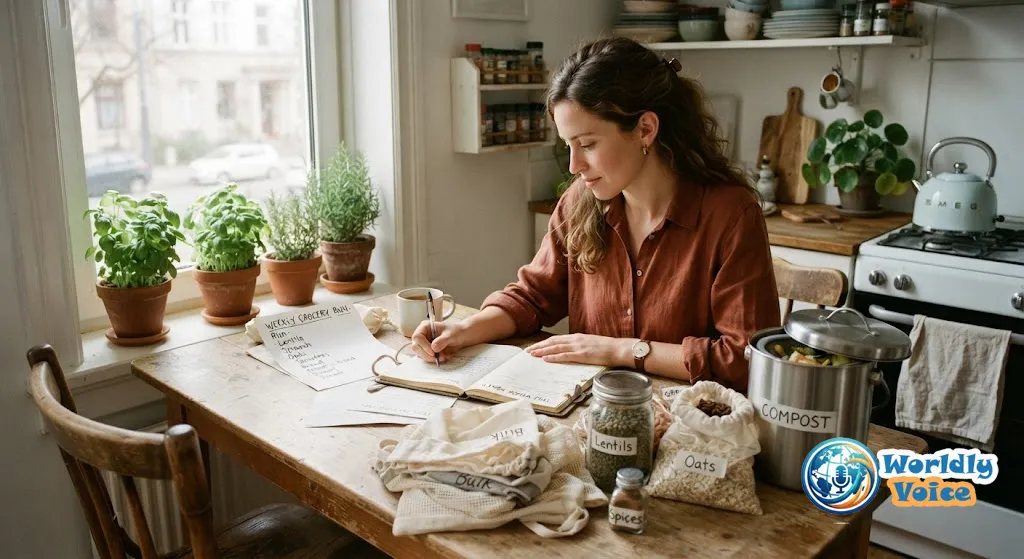
- Week 2: meal planning
- Week 3: paper towel reduction
- Week 4: composting setup
That slower pace prevented burnout. It also made the habit feel personal rather than performative.
For people sharing a home, I usually recommend starting with your own routines first. Others may join once they see the convenience and savings.
7. Think in Savings, Not Just in Trash Bags
One reason how to start a zero-waste lifestyle on a budget matters so much is that it reframes sustainability as financial self-protection. Waste is expensive.
Single-use habits often cost money over and over:
- Bottled water
- Disposable cleaning wipes
- Extra grocery trips
- Food thrown away
- Cheap clothing replaced quickly
- Impulse purchases with lots of packaging
When I tracked the changes, the savings became motivating. Reusables reduced repeat spending. Meal planning cut waste. Secondhand shopping lowered household costs. Borrowing saved me from buying tools I would barely use.
This is why easy zero-waste swaps for beginners are so effective. They create visible wins. A cloth bag or refill bottle may seem small, but repeated hundreds of times, it changes both cost and behavior.
You can also look to organizations like the Zero Waste International Alliance for broader definitions and principles. Their work reinforces a useful consensus point: zero waste is a systems mindset, not a purity contest.
Frequently Asked Questions
1. Is zero-waste living more expensive at first?
Sometimes, but not always. I usually recommend starting with what you already own. That keeps costs low and makes how to start a zero-waste lifestyle on a budget much more realistic.
2. What are the best easy zero-waste swaps for beginners?
A reusable water bottle, cloth bags, bar soap, cloth rags, and basic meal planning are the most practical easy zero-waste swaps for beginners in my experience.
3. How can I reduce plastic waste at home without buying new products?
Use up existing items first, refill containers when possible, choose less packaged groceries, reuse jars, and switch away from disposable paper and plastic as items naturally run out. That is one of the simplest ways to learn how to reduce plastic waste at home.
4. What if my family is not interested?
Start with your own habits. Shared changes, like meal planning or using leftovers better, often catch on when others notice the convenience and savings.
5. Can I compost in an apartment?
Yes. Many people use compact bins, freezer scrap storage, local drop-offs, or bokashi systems. If you want a basic starting point, Beginner Composting Tips can help.
6. What is the biggest money-saving zero-waste habit?
For most households, it is reducing food waste. Planning meals, using leftovers, and storing produce properly can save far more than buying a set of trendy reusable products.
Conclusion
If you are wondering how to start a zero-waste lifestyle on a budget, I would keep it simple: audit your trash, reuse what you already have, make a few affordable swaps, buy secondhand when possible, and focus hard on food waste. That is where the real momentum starts.
I have found that the most lasting changes are rarely dramatic. They are steady. A reused jar. A planned meal. A cloth bag by the door. A compost bin under the sink. Those habits build a home that wastes less and costs less.
Progress matters more than perfection. If you begin with just two or three simple sustainable swaps this week, you are already moving in the right direction. And if you want to keep building this mindset, practical resources like Latest Online Tool Guide ZardGadjets, Beginner Composting Tips, and even planning-focused lifestyle content such as Barbados travel guide can support the habit of being more intentional with what you use.
References
- U.S. Department of Agriculture: USDA food waste
- U.S. Environmental Protection Agency: EPA composting
- Zero Waste International Alliance: Zero Waste International Alliance
