


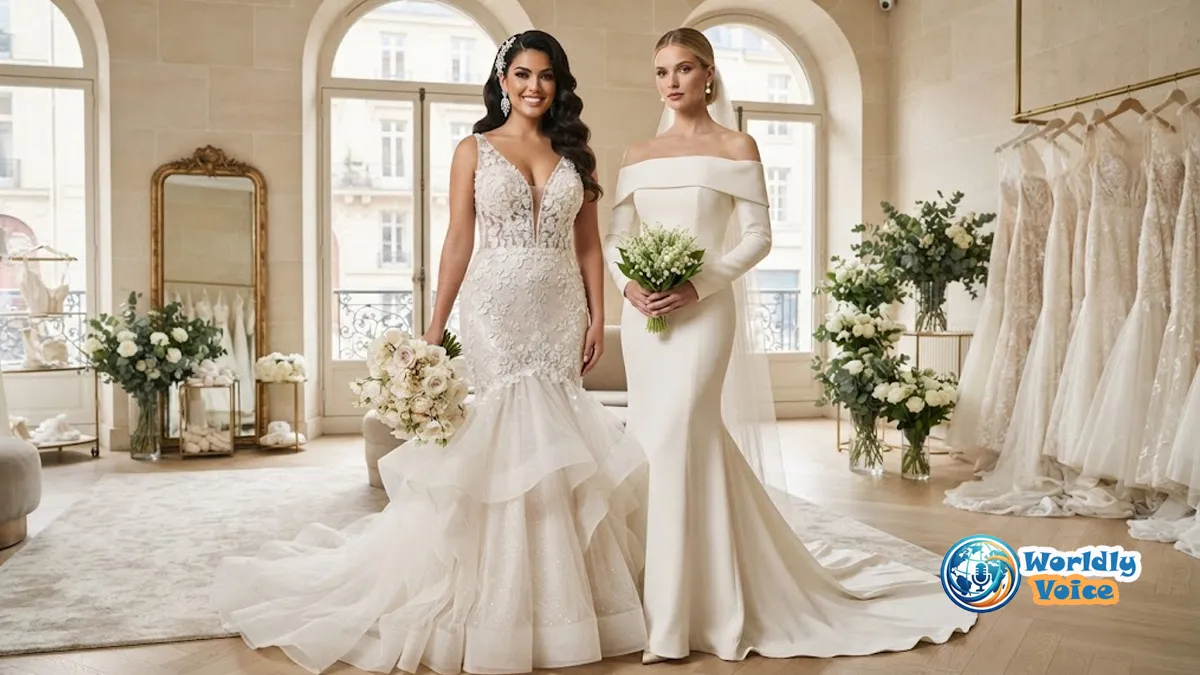
A Mermaid Wedding Dress has a way of stopping people mid-scroll and mid-aisle. I’ve noticed that whenever brides compare silhouettes, this one sparks the strongest reaction. Some love its drama instantly. Others need a moment to imagine themselves in a curve-defining shape. Either way, it rarely feels forgettable. Across bridal salons in the United States and Germany, this silhouette keeps evolving, adapting to local tastes while holding onto its signature glamour.
What makes it so enduring? In simple terms, it hugs the body through the bodice and hips, then flares at or below the knee. That shape creates the kind of visual balance many brides want: elegant, sculpted, and undeniably romantic. It also overlaps naturally with today’s fishtail wedding dress trends, especially when designers soften the flare or add modern fabrics. In my experience, brides are not just choosing a dress. They are choosing how they want to feel in photos, in motion, and in memory.
If you’re comparing bridal fashion across markets, the contrast between the USA and Germany is especially interesting. American bridal culture often celebrates bold impact. German bridal style tends to favor precision, refinement, and versatility. The result is a fascinating side-by-side look at how one iconic silhouette can mean slightly different things in different places.
1. Why the Mermaid Silhouette Continues to Win Brides Over
Before comparing regions, it helps to understand why this shape remains so popular worldwide.
A mermaid cut is designed to highlight natural curves. That is why it is often grouped with hourglass silhouette wedding gowns, even though brides of many body types wear it beautifully with the right tailoring. The visual effect comes from structure, seam placement, and fabric choice, not just body shape alone.
From what I’ve seen in bridal fittings, brides are often drawn to it for three reasons:
- It feels high-fashion without losing bridal softness.
- It creates a memorable entrance and strong photo lines.
- It can be styled in both glamorous and minimalist ways.
That flexibility matters. A heavily embellished gown with crystals and layered tulle reads very differently from a sleek crepe design with clean seams. Yet both still fall under the same broad family.
I also think modern bridal media has reinforced this silhouette’s staying power. Designers such as Pronovias, Vera Wang, Berta, and Justin Alexander have repeatedly featured fitted gowns with dramatic flares in runway collections. Celebrity weddings and red-carpet styling have only pushed that visibility further.
As a side note, I often compare bridal trends to craft trends: once you understand the structure underneath, the style makes more sense. It’s a bit like German Short Rows in knitting. The final shape looks effortless, but the technique is what creates the contour.
2. Why Brides in the USA Love the Mermaid Wedding Dress Silhouette
The US bridal market rewards impact. That is the clearest pattern I’ve observed.
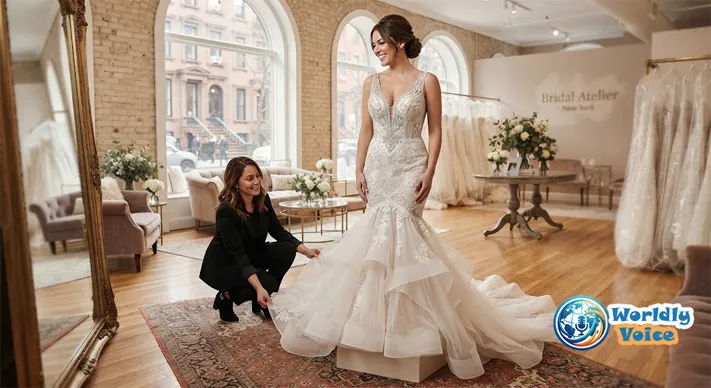
American brides often shop with photography in mind. They want movement for the ceremony, structure for portraits, and drama for the reception entrance. That helps explain why form-fitting bridal gowns USA boutiques promote so heavily continue to perform well, especially in fashion-driven cities like New York, Los Angeles, Miami, and Dallas.
High-drama skirts remain a major draw
In the United States, many mermaid gowns flare sharply at the knee. The skirt often includes:
- Layered tulle
- Tiered organza
- Ruffled horsehair trim
- Cathedral-length trains
- Detachable overskirts for a second look
This isn’t subtle. It’s cinematic. Brides who want that “aisle moment” tend to gravitate here.
Embellishment is often part of the appeal
US bridal collections also lean into sparkle more confidently than many European markets. I’ve seen strong demand for:
- Micro-pearls
- Sequined lace
- Crystal beadwork
- Dimensional floral appliqués
- Corset bodices with visible boning
Under reception lighting, these details create depth and shine that photographs beautifully. For evening weddings especially, that luminous finish matters.
Celebrity influence shapes demand
From reality TV weddings to fashion magazine covers, American bridal buying habits are heavily influenced by visibility. When a public figure chooses a sculpted gown with a dramatic train, interest rises almost immediately. Bridal retailers know this. They often stock styles that echo celebrity silhouettes without directly copying couture pricing.
Comfort is improving, but structure still matters
There is a common myth that mermaid gowns are always restrictive. That used to be truer. Today, many US designers use stretch lining, lighter boning, and flexible fabrics that allow more movement. Brides still need a proper fitting, but comfort and contour are no longer mutually exclusive.
3. German Bridal Trends: How the Mermaid Wedding Dress Compares in Europe
Germany tells a different story. The silhouette is still loved, but the expression is more restrained.
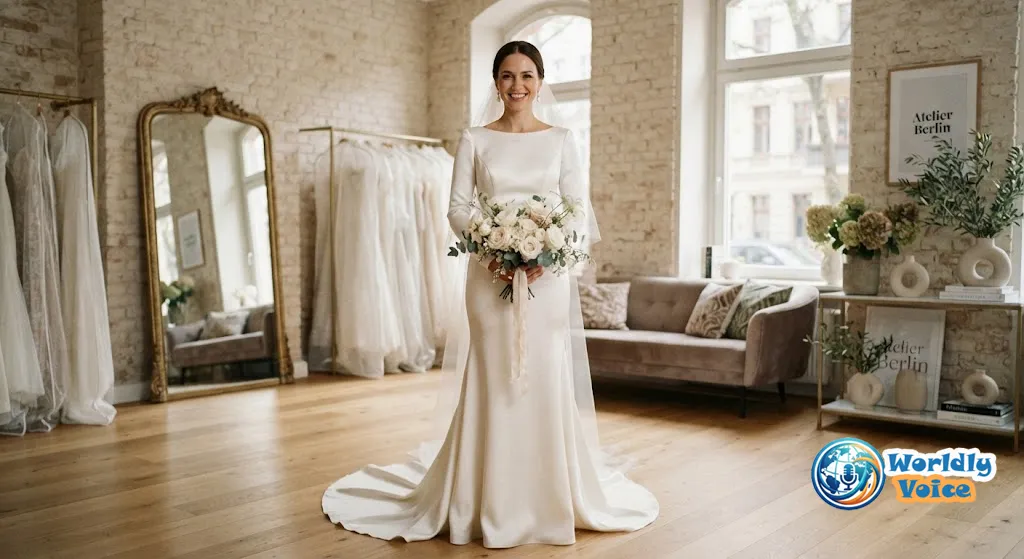
When I look at popular wedding dress styles in Germany, I see a strong preference for polish over excess. Brides often want elegance that feels modern, wearable, and meticulously tailored. That doesn’t mean plain. It means edited.
Cleaner lines are often preferred
German brides frequently choose fitted gowns in:
- Crepe
- Mikado silk
- Satin
- Matte lace
- Structured blends with minimal shine
These fabrics create shape without relying on heavy decoration. The result feels architectural. Sophisticated. Quietly luxurious.
Softer fishtail cuts are especially relevant
Among current fishtail wedding dress trends, Germany often leans toward gentler transitions from hip to hem. Instead of a dramatic flare, many gowns open gradually. That makes walking easier and creates a sleek, elongated line.
This approach works well for brides who want the fitted look without full red-carpet theatrics. It also reflects broader European fashion values, where ease and understatement often carry more prestige than obvious embellishment.
The Standesamt factor changes buying habits
One of the most practical differences is the German civil ceremony, or Standesamt. Many couples marry legally in a registry office before a larger religious or symbolic event. That influences wardrobe choices.
Because of this, fitted gowns in Germany are often chosen with versatility in mind. Brides may prefer:
- A sleek mermaid or trumpet dress for the civil ceremony
- A removable overskirt for the larger celebration
- A simpler dress that can be restyled for evening wear
- Tailored pieces that feel formal but not theatrical
This is where Germany stands out. Bridal fashion is not only about spectacle. It is also about context.
European craftsmanship remains a strong selling point
German brides, like many European shoppers, often pay close attention to seam quality, fabric composition, and finishing. In my experience, they are more likely to ask practical questions about wearability, alterations, and long-term elegance than about trend status alone.
That mindset reminds me of how people evaluate lasting design in unexpected categories. A classic item earns trust because it wears well over time, much like What Is a Plain Jane Watch appeals through minimalism rather than decoration.
4. USA vs Germany: A Quick Comparison Table
Here’s a simple side-by-side view of how the silhouette is often interpreted in both markets.
| Trend Area | USA | Germany |
|---|---|---|
| Overall aesthetic | Glamorous, dramatic, statement-led | Refined, minimalist, couture-inspired |
| Skirt flare | Sharp, theatrical flare at the knee | Softer trumpet or gradual fishtail flare |
| Fabrics | Tulle, embellished lace, sequins, layered organza | Crepe, satin, Mikado, matte lace |
| Embellishment level | High sparkle and visible detail | Subtle texture and cleaner finishes |
| Shopping priorities | Photos, drama, trend influence, celebrity inspiration | Tailoring, comfort, versatility, craftsmanship |
| Ceremony context | One large event often shapes styling | Standesamt plus celebration affects dress choice |
| Fit preference | Strong body contouring | Structured yet slightly easier movement |
Most studies and market reporting in bridal retail agree on one thing: brides in both countries still want personalization. The difference is how that personalization appears. In the USA, it may mean more drama. In Germany, it often means more precision.
5. Key Design Variations: Lace, Satin, and Illusion Necklines
No matter the country, the modern mermaid dress is no longer one fixed formula. Several design shifts are shaping today’s most desirable options.
Lace is becoming more dimensional
Classic flat Chantilly lace still has a place, but many designers now favor 3D floral appliqués, botanical embroidery, and layered motifs. These details add texture without always adding glitter.
I’ve noticed this works well in both markets:
- In the USA, it adds opulence.
- In Germany, it adds artistry when used with restraint.
Satin and Mikado are redefining minimalism
One of the strongest shifts in recent years is toward clean, sculpted fabrics. Heavy satin and stretch Mikado create shape through tailoring rather than ornament. This trend has become particularly important among brides seeking hourglass silhouette wedding gowns that feel modern rather than overly ornate.
These fabrics also age well in photographs. Ten years later, a sleek satin gown often still looks current.
Illusion details add lightness
Sheer backs, illusion necklines, and corset bodices continue to rise in demand. Brides like the balance: support underneath, softness on the surface. Exposed boning in particular has become a major fashion detail, especially in younger bridal markets.
Detachable elements are more than a trend
Overskirts, sleeves, capes, and removable trains are now practical style tools. They help brides move from ceremony to reception without changing their base dress. This is useful in both the USA and Germany, though for slightly different reasons. In the USA, it creates a second look. In Germany, it can help one gown work across multiple wedding settings.
6. How Brides Should Choose Between Trends and Personal Fit
This is where I always encourage brides to slow down. Trend reports are useful. Your body language in the fitting room is more useful.
A bride may admire dramatic form-fitting bridal gowns USA campaigns online, then feel more like herself in a quieter European-inspired cut. Or the opposite may happen. I’ve seen brides arrive asking for minimalist crepe and leave glowing in embroidered tulle.
Here’s the framework I usually recommend:
Ask how you want the dress to move
Do you want a dramatic swish and train reveal? Or a smoother, easier walk?
Consider your venue
A ballroom in Chicago may support a very dramatic silhouette. A registry office ceremony in Berlin may call for something more tailored and understated.
Think about photos at night and in daylight
Sparkle performs differently depending on lighting. Matte fabrics often shine in daylight portraits. Beaded gowns can come alive in evening receptions.
Prioritize alterations
A fitted gown lives or dies by tailoring. This is non-negotiable. A great seamstress matters as much as the designer label.
Choose emotional comfort too
Not just physical comfort. Emotional comfort. If you spend the whole day adjusting yourself, the dress is wearing you.
Oddly enough, this principle shows up in other lifestyle choices too. The best systems are sustainable, whether that’s maintaining a gown, building a wardrobe, or learning How to Start Your Own Home Compost with routines that actually fit your life.
7. Shopping Tips for a Mermaid Wedding Dress in the USA or Germany
If you’re actively shopping, these practical tips can save time and stress:
- Book appointments at stores that specialize in fitted silhouettes.
Ask in advance whether they stock mermaid, trumpet, and fishtail cuts. - Bring the right undergarments.
Structure changes everything in a fitted dress. - Walk, sit, and turn during fittings.
Don’t only stand on the pedestal. - Ask about bustle options early.
A dramatic train needs a plan. - Compare fabric weights.
Crepe, satin, tulle, and lace all shape the body differently. - Take photos from multiple angles.
Many brides only judge the front view. The back matters just as much. - Be honest about your ceremony format.
This is especially useful if you’re balancing a civil ceremony and a larger celebration.
For trend validation and bridal inspiration, I recommend reviewing collections and guidance from trusted industry sources such as The Knot, Brides, and Pronovias. Those resources help contextualize what designers are actually releasing and what brides are responding to now.
FAQs
Is a mermaid wedding dress the same as a fishtail gown?
Not always. The terms overlap, but a fishtail style often refers to a similar fitted shape with a flare near the lower skirt. Today’s fishtail wedding dress trends include both dramatic and softened versions.
Are mermaid gowns only flattering on hourglass figures?
No. Good tailoring matters more than labels. While these dresses are often associated with hourglass silhouette wedding gowns, brides of many shapes wear them beautifully with the right structure and seam placement.
Why are fitted gowns so popular in the United States?
The US market tends to reward impact, photography, and celebrity influence. That is why form-fitting bridal gowns USA retailers feature often include bold trains, sparkle, and sculpted bodices.
What are the most popular wedding dress styles in Germany right now?
Among popular wedding dress styles in Germany, sleek crepe dresses, understated satin gowns, minimalist A-line styles, and softer mermaid or trumpet silhouettes are especially visible.
Can I wear a mermaid dress for a civil ceremony?
Yes. In Germany especially, many brides choose a simpler fitted gown for the Standesamt, sometimes with detachable elements for later celebrations.
What should I read next if I like timeless design and precision?
If you enjoy thoughtful structure and refined aesthetics, you may also like our articles on German Short Rows, What Is a Plain Jane Watch, and How to Start Your Own Home Compost for a different kind of practical elegance.
Conclusion
The Mermaid Wedding Dress remains one of bridal fashion’s most expressive silhouettes because it can carry two moods at once: drama and discipline. In the USA, it often leans bold, sparkling, and unforgettable. In Germany, it becomes cleaner, quieter, and deeply polished. Neither approach is better. They simply reflect different bridal cultures, different ceremonies, and different ideas of beauty.
If I had to sum it up, I’d say this: American brides often chase a moment. German brides often chase a feeling of refined control. The smartest designers now offer both. That is why the silhouette continues to thrive, whether it appears through lavish embellishment, sleek crepe tailoring, or modern fishtail wedding dress trends with softer movement.
If you’re shopping now, start with your venue, your comfort level, and your instinctive reaction in the mirror. Trends can guide you. Fit should decide. And if you want a dress that celebrates shape while still allowing room for personal style, a mermaid silhouette deserves a serious look.
For readers exploring beauty in construction, simplicity, and thoughtful design, I also recommend revisiting German Short Rows, What Is a Plain Jane Watch, and How to Start Your Own Home Compost as surprising examples of how form and function often work best together.
References
- The Knot. Wedding Dress Guide and Bridal Fashion Trends. https://www.theknot.com/fashion/wedding-dresses
- Brides. Wedding Dresses, Silhouettes, and Current Bridal Trends. https://www.brides.com/wedding-dresses-4842333
