


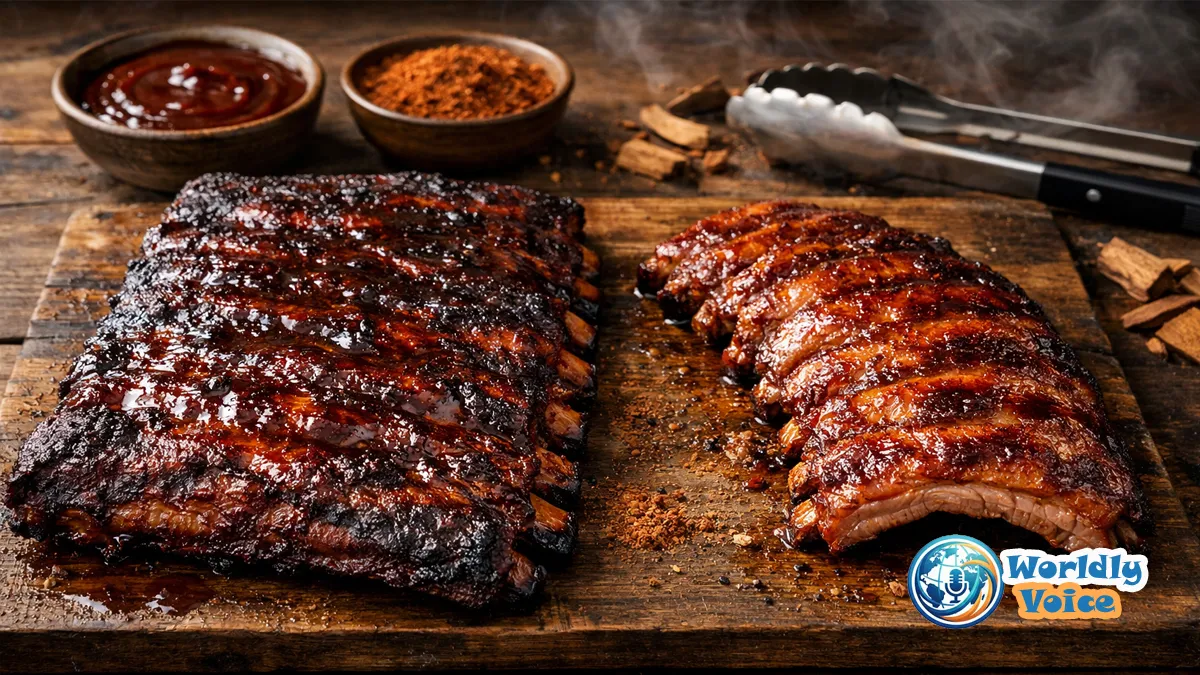
If you’ve ever stood at the meat counter searching st louis vs baby back ribs on your phone, I’ve been there too. The labels look simple, but the choice can change your whole cookout. St. Louis ribs bring deep pork flavor, more fat, and that classic smokehouse bite. Baby back ribs are leaner, tender, and easier to cook when time is tight.
I’ve cooked both on charcoal grills, pellet smokers, and offset smokers. I’ve served them at family cookouts where kids wanted “the small ribs” and BBQ lovers reached straight for the saucy, rectangular St. Louis racks. In my experience, neither cut is “better” for everyone. The best rib depends on your cooking style, your guests, and the flavor you want on the plate.
This pork rib comparison guide breaks down the real differences, from cut location and flavor to price, smoking time, texture, and serving style.
Quick Answer: St. Louis Ribs vs. Baby Back Ribs
St. Louis ribs are meatier, fattier, and richer in flavor. Baby back ribs are leaner, more tender, and usually cook faster.
Choose St. Louis ribs if you want bold BBQ flavor and a rack that handles smoke and sauce beautifully. Choose baby back ribs if you want a tender, slightly lighter rib that is easier to manage for casual meals.
| Category | St. Louis Ribs | Baby Back Ribs |
|---|---|---|
| Cut Location | Lower rib cage, belly side | Upper rib cage, near spine |
| Shape | Rectangular and flat | Curved and tapered |
| Size | Usually 5–9 inches long | Usually 3–6 inches long |
| Average Weight | About 2.5–3 lbs per rack | About 1.5–2 lbs per rack |
| Meatiness | More meat between the bones | More meat on top of the bones |
| Fat Content | Higher, well-marbled | Low to moderate |
| Flavor | Rich, pork-forward, smoky | Mild, tender, slightly sweet |
| Cooking Time | Around 5–6 hours low and slow | Around 4–5 hours |
| Best Smoking Method | 3-2-1 method | 2-2-1 or 3-1-1 method |
| Price | Often budget-friendly, but varies by region and market | Usually more expensive, but varies by region and market |
| Presentation | Uniform rectangular rack | Smaller curved rack |
| Best For | Classic BBQ flavor and saucy ribs | Quick cookouts and leaner meals |
If you’re planning a full backyard menu, this choice matters as much as sides, drinks, and timing. I often pair smoked ribs with slaw, beans, grilled corn, and a compost plan for scraps inspired by Beginner Composting Tips.
1. What Are St. Louis Ribs?
St. Louis ribs come from pork spare ribs. Butchers trim away the rib tips, cartilage, and uneven edges to create a flat, rectangular rack. That clean shape is one reason pitmasters love them.
When I’m cooking for a group, St. Louis ribs are easier to arrange on the smoker. They lie flat. They cook evenly. They also look polished when sliced between the bones and stacked on a platter.
The meat sits mostly between the bones. There is more connective tissue and fat compared with baby backs. That sounds like extra work, but it is exactly what makes them shine during a long smoke. Given enough time, that fat renders and turns into juicy, smoky richness.
For readers who want more technical context on pork cuts, the National Pork Board’s guide to the Difference between pork rib cuts is a useful reference.
Best traits of St. Louis ribs
- Deep pork flavor
- Excellent smoke absorption
- Great with sweet, spicy, or tangy BBQ sauce
- Uniform shape for competition-style presentation
- Often better value per pound
In short, St. Louis ribs are made for patient cooks. If you like tending a smoker and building flavor layer by layer, this cut rewards you.
2. What Are Baby Back Ribs?
Baby back ribs come from the upper part of the rib cage, near the backbone, where the ribs meet the loin. They are not from baby pigs. The name refers to their smaller size compared with spare ribs.
They are shorter, curved, and naturally tender. Because they are leaner, they cook faster. That makes them popular for weekend grillers who want ribs without a six-hour commitment.
When we tested baby back ribs for a family cookout, I noticed they disappeared first with casual eaters. They were easy to hold, less fatty, and mild enough for people who do not want heavy smoke or rich pork flavor.
Best traits of baby back ribs
- Naturally tender texture
- Shorter cooking time
- Leaner bite
- Easy portion size
- Great for kids and lighter appetites
Baby backs are forgiving in one way and unforgiving in another. They become tender more quickly, but because they have less fat, they can dry out if you push them too long.
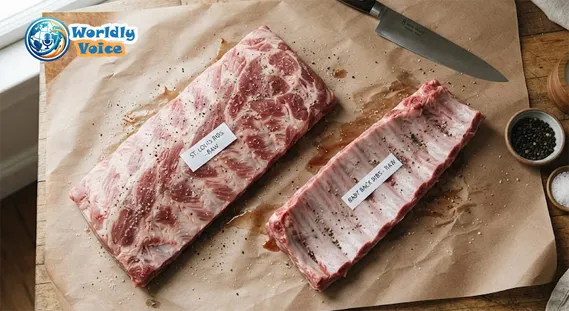
3. Baby Back vs St Louis Ribs: The Cut Location Changes Everything
The biggest difference in baby back vs st louis ribs starts with anatomy.
Baby back ribs sit higher on the hog, close to the loin. That area produces lean, tender meat. St. Louis ribs come from lower down, closer to the belly. That area has more fat and connective tissue.
Think of it like comparing chicken breast and chicken thigh. Breast meat is lean and mild. Thigh meat is richer and more forgiving over heat. The same idea applies here.
Why cut location affects flavor
- Upper rib meat is leaner and softer.
- Lower rib meat has more fat and collagen.
- More fat means more moisture during long cooking.
- More collagen means better texture after slow smoking.
This is why St. Louis ribs can handle longer smoke sessions. They need time. Baby backs need attention. If you cook them the same way for the same amount of time, baby backs may finish earlier and risk drying out.
4. Flavor and Texture: Rich BBQ Bite or Tender Lean Rib?
When comparing st louis ribs vs baby back, flavor is usually the deciding factor.
St. Louis ribs taste more intense. They have that old-school barbecue character: smoky, juicy, slightly chewy in the best way, and rich enough to stand up to bold rubs. I like them with paprika, brown sugar, black pepper, garlic powder, and a little cayenne.
Baby back ribs are softer and milder. They do well with fruitier sauces, honey glazes, and lighter seasoning. Because the meat is closer to the loin, it feels more tender from the start.
BBQ rib flavor profiles
| Flavor Factor | St. Louis Ribs | Baby Back Ribs |
|---|---|---|
| Pork Flavor | Strong and savory | Mild and clean |
| Smoke Flavor | Absorbs deeply | Absorbs moderately |
| Sauce Pairing | Bold tomato, vinegar, molasses, spice | Honey, apple, brown sugar, light glaze |
| Texture | Meaty, juicy, slightly firmer | Tender, lean, softer |
| Best Wood | Hickory, oak, pecan | Apple, cherry, maple |
Most pitmasters agree that St. Louis ribs deliver a more traditional BBQ rib experience. Baby backs offer tenderness and convenience.
If your guests love big flavor, choose St. Louis. If they prefer mild, neat, tender ribs, baby backs are a safer bet.
5. Cooking Time: How to Smoke Ribs Low and Slow
The best rib cut for smoking depends on your schedule.
St. Louis ribs usually take 5 to 6 hours at 225°F to 250°F. Baby back ribs usually take 4 to 5 hours at the same temperature. These are estimates, not rules. Rack thickness, smoker type, humidity, and meat temperature all matter.
For a deeper breakdown of general methods, Serious Eats has a helpful overview of BBQ rib cooking techniques.
My go-to smoking methods
For St. Louis ribs: 3-2-1 method
- 3 hours unwrapped with smoke
- 2 hours wrapped with moisture, such as apple juice or butter
- 1 hour unwrapped to set sauce
This method gives St. Louis ribs enough time to render fat and soften connective tissue.
For baby back ribs: 2-2-1 method
- 2 hours unwrapped
- 2 hours wrapped
- 1 hour unwrapped with sauce
Some smaller racks need less time. I start checking baby backs early because they can go from tender to dry faster than St. Louis ribs.
For additional timing guidance, Traeger’s guide on How to smoke ribs low and slow is a solid resource for home cooks using pellet grills.
Doneness tip
Do not rely only on temperature. Ribs are done when the meat pulls back from the bone and the rack bends slightly when lifted with tongs. I also look for a clean bite. The meat should not fall apart like pulled pork. It should pull away with gentle resistance.
6. Smoking St. Louis vs. Baby Back Ribs: What I Notice on the Grill
When smoking St. Louis vs. baby back ribs side by side, the differences become obvious.
St. Louis ribs handle smoke like a heavyweight. They stay juicy longer. They also take sauce well because the surface is flatter and the fat keeps the meat moist.
Baby backs cook faster and look beautiful with a glossy glaze. But I have to watch them closely. A little too much heat or time can make the edges dry.
Real-life example from my smoker
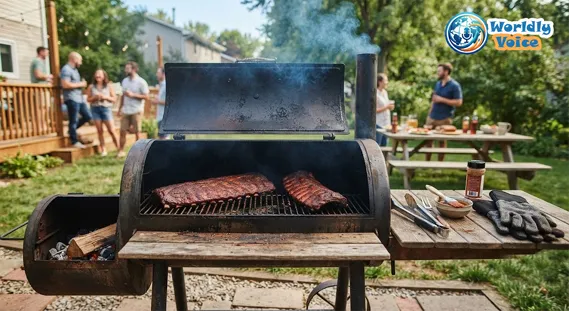
On a pellet smoker at 235°F, I cooked one rack of each. The baby backs were ready about 50 minutes before the St. Louis ribs. The baby backs had a tender, clean bite. The St. Louis ribs had deeper smoke flavor and a juicier finish.
Both were excellent. But the crowd split clearly. People who wanted “real BBQ flavor” preferred St. Louis. People who wanted tender, easy ribs preferred baby backs.
That is the heart of the baby back ribs vs st louis ribs debate. It is not about winning. It is about matching the rib to the moment.
7. Price and Value: Which Rib Gives You More for the Money?
Price can be tricky. In many U.S. markets, St. Louis ribs cost less per pound than baby back ribs. Baby backs are often priced higher because they are tender, popular, and smaller.
But this varies by region, butcher, grocery chain, season, and demand. Around summer holidays like Memorial Day, July Fourth, and Labor Day, sales can flip the usual pattern.
Value considerations
Choose St. Louis ribs if:
- You want more meat for a group.
- You enjoy slow smoking.
- You like rich, fatty ribs.
- You want a competition-style rack.
Choose baby back ribs if:
- You want a faster cook.
- You prefer leaner meat.
- You are serving kids or lighter eaters.
- You want smaller portions.
For budget planning, I usually estimate one full rack for two hungry adults, or one rack for three people if there are plenty of sides. If your cookout includes brisket, sausage, or burgers, you can stretch ribs further.
And if you’re coordinating a backyard event with social posts or guest updates, a placeholder like Instagram Notify can fit naturally into your planning workflow, especially if your site covers hosting, content alerts, or social media tools.
8. Best Seasonings, Sauces, and Wood Pairings
The difference between pork rib cuts also affects seasoning.
St. Louis ribs can carry heavy rubs. I like coarse black pepper, smoked paprika, kosher salt, garlic, onion powder, mustard powder, and a touch of brown sugar. They also work well with Kansas City-style sauce, Memphis dry rub, or a vinegar-forward mop.
Baby backs need a gentler hand. Too much smoke or spice can cover their natural tenderness. Apple, cherry, and maple woods work beautifully. A light glaze of honey, apple juice, butter, and mild BBQ sauce can make them shine.
Simple rub formula
Use this as a starting point:
- 2 parts brown sugar
- 1 part kosher salt
- 1 part paprika
- 1 part black pepper
- ½ part garlic powder
- ½ part onion powder
- Optional cayenne for heat
For St. Louis ribs, add more pepper and chili. For baby backs, keep it sweeter and lighter.
Related planning topics like Backyard Grilling Setup, Summer Cookout Checklist, and Low and Slow Smoking Guide can help readers build a complete BBQ day around the right rib cut.
9. Presentation and Serving: Which Looks Better on the Plate?
St. Louis ribs win for symmetry. Their rectangular shape makes them easy to slice, stack, and serve. If I’m photographing ribs or serving a platter, I often choose St. Louis because they look clean and professional.
Baby backs have a curved shape. They look smaller and more casual. That can be a benefit. They feel approachable and less messy for guests who want one or two ribs without committing to a heavy plate.
Serving ideas
For St. Louis ribs:
- Slice into single bones.
- Brush with sauce before serving.
- Serve with pickles, onions, and white bread.
- Pair with beans or potato salad.
For baby back ribs:
- Serve half-racks for easy portions.
- Use a shiny glaze.
- Pair with grilled vegetables or coleslaw.
- Offer mild sauce on the side.
10. Which Rib Should You Choose?
Here is the simplest way to decide.
Choose St. Louis ribs if you want:
- Maximum BBQ flavor
- A meatier, fattier bite
- A longer low-and-slow cook
- Better smoke absorption
- A traditional BBQ experience
Choose baby back ribs if you want:
- Leaner ribs
- Faster cooking
- Tender texture
- Smaller portions
- Easier handling for casual cookouts
In the st louis ribs vs baby back ribs conversation, I think of St. Louis ribs as the pitmaster’s cut and baby backs as the crowd-friendly cut. One is bold and rich. The other is tender and convenient.
Neither choice is wrong. The better question is: what kind of BBQ day do you want?
FAQs About St. Louis and Baby Back Ribs
Are St. Louis ribs better than baby back ribs?
Not always. St. Louis ribs are better for rich, smoky BBQ flavor. Baby back ribs are better for tenderness, leaner meat, and faster cooking. The best choice depends on your taste and schedule.
Which ribs are more tender?
Baby back ribs are usually more tender because they come from the upper rib cage near the loin. St. Louis ribs can also become tender, but they need more time for fat and connective tissue to break down.
Which ribs are best for smoking?
Many BBQ cooks consider St. Louis ribs the best rib cut for smoking because they have more fat and a flatter shape. Baby backs also smoke well, but they need closer attention to avoid drying out.
Do St. Louis ribs take longer to cook?
Yes. St. Louis ribs usually take about 5 to 6 hours low and slow. Baby back ribs often finish in about 4 to 5 hours, depending on rack size and smoker temperature.
Are baby back ribs healthier?
Baby back ribs are generally leaner than St. Louis ribs. If you want a lighter option with less fat, baby backs are usually the better pick. Sauce, rub, and portion size also affect the overall meal.
Can I cook both cuts at the same time?
Yes, but watch timing. Start both together, then check baby backs earlier. In my experience, baby backs often finish before St. Louis ribs. A Meat Thermometer Guide can help you track doneness without guessing.
Conclusion: St. Louis vs. Baby Back Ribs Comes Down to Flavor, Time, and Style
The st louis vs baby back ribs decision is really about what you value most.
If you want deep smoke, rich pork flavor, and a classic BBQ rack, go with St. Louis ribs. They take longer, but the payoff is big. If you want tender, leaner ribs that cook faster and please a wide crowd, baby back ribs are hard to beat.
When I cook for serious BBQ fans, I choose St. Louis. When I cook for a mixed group, especially families, I often choose baby backs. And when I have room on the smoker, I cook both. That is the easiest way to turn a simple cookout into a side-by-side tasting.
Use this guide, test both cuts, and pay attention to what your guests reach for first. BBQ is part science, part patience, and part memory. The best rack is the one people talk about after the plates are empty.
For future cookout planning, related placeholders like Beginner Composting Tips, Instagram Notify, and Outdoor Party Food Ideas can support everything from food waste planning to sharing your finished ribs online.
References
- National Pork Board: Difference between pork rib cuts
- Serious Eats: BBQ rib cooking techniques
- Traeger: How to smoke ribs low and slow

Muhammad Ali is a digital content publisher and the founder of WorldlyVoice. With extensive experience in technical website management and SEO, he specializes in building high-performance editorial platforms that deliver credible and accessible information to a global audience.
Connect with Muhammad Ali:
Website: WorldlyVoice.com
Email: [email protected]
LinkedIn: Professional Profile
Facebook: Personal Profile
For inquiries, please reach out via the provided social channels or through the official contact portal on WorldlyVoice.