


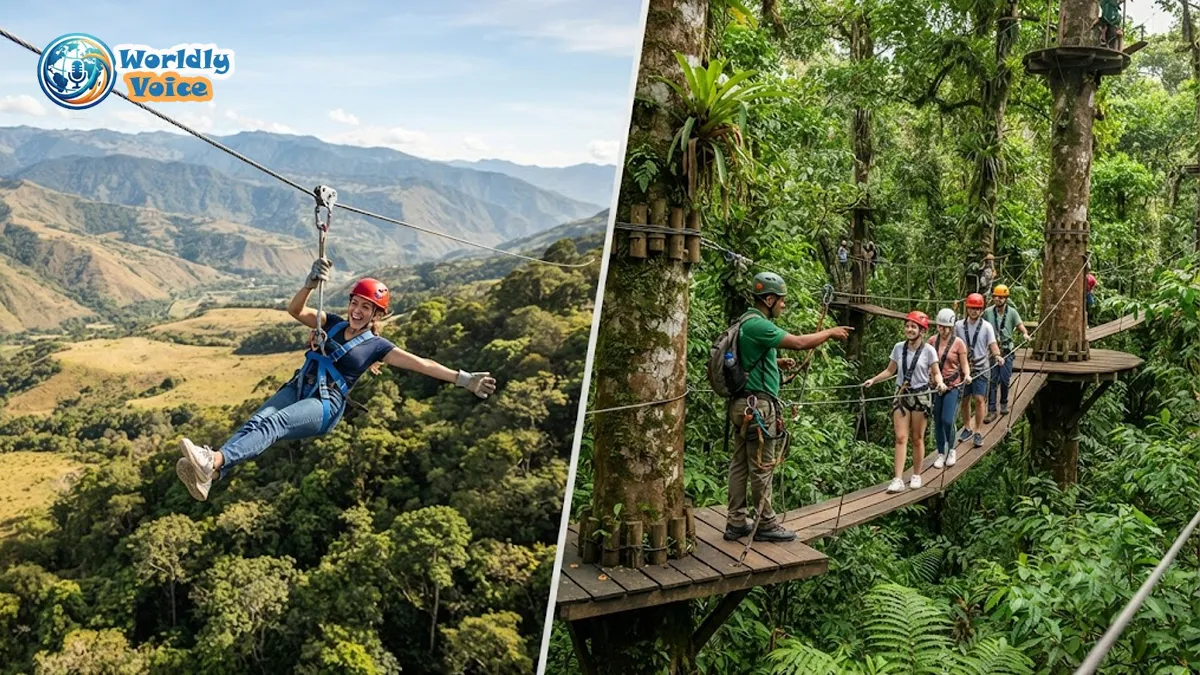
If you have ever searched canopy tour vs zipline what is the difference, you are not alone. I’ve noticed that many travelers use both terms as if they mean the same thing. At first glance, that makes sense. Both involve harnesses, cables, heights, and the thrill of gliding above the ground. But in my experience, they feel very different once you’re actually there.
One feels like a quick burst of adrenaline. The other feels like an immersive journey through a forest ecosystem.
I’ve tested both styles while researching adventure travel options in tropical destinations, mountain parks, and eco-lodges. What stood out most was not just the speed or height. It was the purpose behind the activity. A zipline often focuses on excitement. A canopy tour usually adds scenery, pacing, interpretation, and a guided experience.
If you are planning your next outdoor trip, this guide will help you understand the real canopy tour vs zipline difference, how safety and equipment compare, and which option fits your travel style best. If you’re also planning a broader itinerary, this can pair well with research on Where Is Belize, a detailed Barbados travel guide, or even unusual travel career paths like How to Become a Disney Travel Agent if tourism is part of your long-term goals.
1. What Is a Zipline?
A zipline is the simpler of the two concepts.
At its core, a zipline is a steel cable stretched from a higher point to a lower point. You attach to the line using a pulley and harness. Gravity does the rest. You launch, glide, and land.
That sounds basic because it is. The appeal is straightforward: speed, height, and a flying sensation.
In my experience, most standalone ziplines or short zipline courses are designed to deliver a concentrated thrill in a short amount of time. You may find them at:
- Adventure parks
- Mountain resorts
- Theme attractions
- Private outdoor recreation sites
- Scenic valleys with man-made launch towers
A zipline course may include one line or a few lines back to back. But the experience usually centers on motion rather than environment.
Common features of a zipline experience
- 1 to 3 main lines, sometimes more in larger parks
- Fast launch-to-landing format
- Open views over valleys, rivers, or man-made structures
- Short total duration, often 5 to 30 minutes
- Minimal interpretation or environmental education
If someone asks me what is a canopy tour vs zip line, I usually start here: a zipline is often the ride itself. It is the aerial equivalent of a thrill attraction, though often in a natural setting.
2. What Is a Canopy Tour?
A canopy tour is broader. It is not just one glide. It is a full aerial route.
Historically, canopy access grew out of rainforest research. Scientists wanted ways to study the upper forest layers without disturbing everything below. Modern tourism adapted that concept into an experience that lets travelers move through the treetops safely and intentionally.
In a true canopy tour, the ziplines are only one part of the journey.
You may also cross:
- Suspended bridges
- Tree platforms
- Spiral staircases
- Elevated walkways
- Rappel stations
- Observation decks
This is why the phrase ecotourism canopy tour experience matters. A canopy tour often combines adventure with interpretation. In my experience, guides do far more than clip you in. They explain the forest, watch the weather, manage pacing, and help nervous guests feel secure.
What makes a canopy tour different?
- Usually 6 to 15+ ziplines or aerial segments
- Built into forest or jungle canopy systems
- Guided from start to finish
- Slower, more immersive rhythm
- Educational and scenic elements
- Longer duration, often 1.5 to 4 hours
I’ve found that travelers who enjoy wildlife, photography, and a sense of place usually prefer this format. It feels less like a single attraction and more like a mini expedition.

3. Canopy Tour vs Zipline Difference: Side-by-Side Comparison
Here is the clearest way to understand the zipline course vs canopy tour comparison.
| Feature | Standalone Zipline / Zipline Course | Canopy Tour |
|---|---|---|
| Main purpose | Adrenaline and speed | Immersion, scenery, and guided exploration |
| Duration | 5–30 minutes | 1.5–4 hours |
| Structure | 1–3 lines or short sequence | Multi-element aerial route |
| Setting | Open terrain, towers, valleys | Forest or jungle canopy |
| Guide involvement | Light to moderate | High, usually fully guided |
| Educational element | Rare | Common |
| Pace | Quick and punchy | Slower and more layered |
| Ideal traveler | Thrill-seeker short on time | Nature lover or family group |
| Atmosphere | Ride-like | Journey-like |
This table reflects what I’ve seen across common operators in Costa Rica, Belize, the United States, and parts of the Caribbean. Specific designs vary, but most reputable providers fit this pattern.
4. The Environment Changes the Entire Experience
One of the most important answers to canopy tour vs zipline what is the difference comes down to setting.
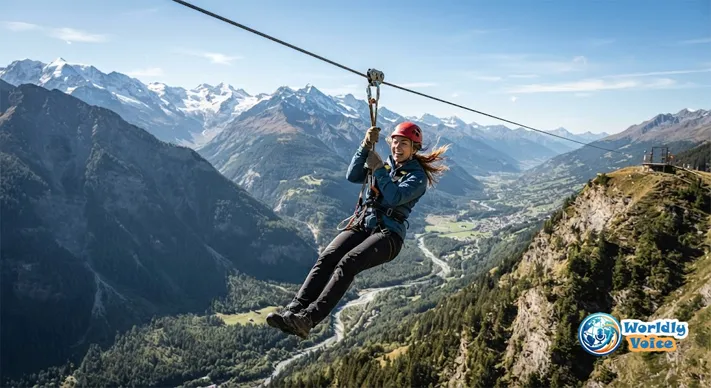
A zipline can exist almost anywhere. You can build one over a canyon, a ski slope, a lake, or between engineered towers. The landscape may be beautiful, but the line itself is often the main attraction.
A canopy tour depends more heavily on ecosystem context. The trees are not just background. They are part of the route, the story, and the appeal.
I noticed this clearly on a guided forest course where we paused between lines to listen for howler monkeys and identify orchids growing high on old trunks. On a separate standalone zipline, the focus was pure velocity. Fun, yes. But very different.
Why the setting matters
- Forest canopy tours create a sense of immersion
- Open-terrain ziplines often emphasize dramatic drops and speed
- Wildlife sightings are more likely on canopy tours
- Scenic pacing is stronger when guides pause between elements
For travelers planning adventure travel canopy tour vs zipline, this distinction matters more than most booking pages admit. If you want a memorable connection with place, canopy tours usually deliver more depth.
5. Safety and Equipment: Similar Foundation, Different Oversight
When people compare these activities, they often ask about canopy tour vs zip line safety and equipment. That is smart. Safety should never be an afterthought.
The core systems are similar. Both generally use:
- Helmet
- Harness
- Carabiners
- Pulley or trolley device
- Gloves in some operations
- Steel cables and anchored platforms
- Braking systems, manual or automatic
But the supervision level often differs.
On many canopy tours, guides remain closely involved at every step. They inspect gear, control transitions, explain body position, monitor braking, and manage spacing between guests. On a short zipline attraction, staff may still be excellent, but the interaction is often more limited because the experience is shorter and more standardized.
In my experience, beginners often feel safer on a canopy tour because there is continuous support. Families with younger teens also tend to appreciate that hands-on oversight.
Safety checks I always look for
- Certified, trained guides
- Clear weight and health restrictions
- Equipment inspection routines
- Redundant attachment systems
- Weather protocols
- Safety briefing before launch
- Reputable reviews and operating history
According to the Association for Challenge Course Technology, professional standards, training, and inspection practices are central to aerial adventure safety. That matters whether you book a zipline or a canopy tour.
It is also worth checking destination-level guidance from organizations like the U.S. Forest Service when activities operate in or near protected natural areas, especially for environmental best practices and visitor safety norms.
6. Who Should Choose a Zipline?
A zipline is a great fit if your goal is simple: you want the thrill.
I recommend a standalone zipline or short course if:
- You are short on time
- You want one signature adrenaline activity
- You prefer speed over slow exploration
- You are traveling with a mixed group that may not want a long tour
- You are already doing other excursions that day
I’ve recommended this option to travelers on cruise stopovers and resort itineraries. It gives you a memorable rush without taking half a day.
Best traveler profiles for ziplines
- First-time thrill seekers
- Teens and young adults
- Travelers with packed itineraries
- Visitors who want a quick photo-worthy activity
If your larger trip includes beach time or urban sightseeing, a short zipline can fit nicely between other plans, much like how a Barbados travel guide balances active outings with slower cultural exploration.
7. Who Should Choose a Canopy Tour?
If you want the outing itself to be part of the destination experience, choose the canopy tour.
I usually recommend canopy tours for:
- Families
- Nature lovers
- Bird-watchers
- Eco-travelers
- First-timers who want close guide support
- Travelers seeking a richer memory than just a fast glide
This is where the phrase what is a canopy tour vs zip line becomes practical rather than technical. A canopy tour is not just transportation through the air. It is interpretation, atmosphere, and progression.
On one tour I joined, the most memorable part was not the longest line. It was the pause on a platform as the guide explained how epiphytes survive high above the forest floor. That changed the experience from recreation into connection.
The Rainforest Alliance has long emphasized the value of responsible nature-based tourism in supporting conservation awareness. The best canopy tours often align with that idea, especially when they partner with local guides and low-impact operations.
8. Cost, Time, and Value: What You Actually Get
Price can be misleading if you compare only the ticket total.
A shorter zipline may cost less, but it also includes less time, fewer elements, and fewer guide-led components. A canopy tour often costs more because it is longer, more staff-intensive, and more complex to maintain.
In general
Zipline
- Lower time commitment
- Often lower ticket cost
- Great for quick excitement
Canopy tour
- Higher perceived value for longer outings
- More structured guiding
- Better for travelers who want depth and story
I always tell people to compare:
- Number of lines
- Total duration
- Group size
- Guide ratio
- Included transport or gear
- Environmental or educational components
That gives a more honest view than price alone.
9. Common Booking Mistakes to Avoid
The biggest mistake I see is assuming all “zipline tours” are identical.
Some operators label a short thrill ride as a tour. Others market an ecologically rich canopy experience using the word zipline because it is more widely searched online. That creates confusion.
Before booking, ask these questions
- How many ziplines are included?
- Is the experience fully guided?
- Are there bridges, platforms, or rappels?
- How long does the activity last door to door?
- Is the route in a forest canopy or open terrain?
- Is the emphasis thrill, scenery, or ecology?
These questions quickly reveal the real canopy tour vs zipline difference.
If you are researching tropical destinations, this is especially useful in places discussed in Where Is Belize, where both eco-canopy experiences and standalone adrenaline attractions are common.
10. Final Verdict: Which One Is Better?
Neither is universally better. They serve different travel moods.
Choose a zipline if you want:
- A burst of speed
- A shorter commitment
- A thrill-first outing
Choose a canopy tour if you want:
- A half-day experience
- Nature and education
- More guide interaction
- A stronger sense of place
In my experience, the best choice depends on what story you want to tell afterward. If you want to say, “I flew fast,” pick the zipline. If you want to say, “I moved through the forest and saw the landscape from a new angle,” pick the canopy tour.
For readers who love building meaningful itineraries, that same decision-making mindset applies whether you are planning soft adventure in a Barbados travel guide, mapping Central America with Where Is Belize, or even exploring tourism careers through How to Become a Disney Travel Agent.
FAQs
1. Is a canopy tour the same as a zipline?
No. A canopy tour usually includes multiple ziplines plus bridges, platforms, and guide-led interpretation. A zipline may be a shorter, simpler thrill ride.
2. Which is safer: canopy tour or zipline?
Both can be safe when operated by trained professionals. In many cases, canopy tours offer more continuous guide supervision, which can help beginners feel more secure.
3. What is a canopy tour vs zip line for families?
For families, a canopy tour is often the better fit because it is guided, paced more carefully, and may include educational elements. Always check age and weight rules before booking.
4. Is a zipline faster than a canopy tour?
Usually, yes. Standalone ziplines often emphasize speed. Canopy tours may include fast segments, but the overall experience is broader and more varied.
5. What should I wear for canopy tour vs zip line safety and equipment needs?
Wear closed-toe shoes, comfortable athletic clothing, and avoid loose items. Long hair should be tied back. Operators usually provide helmets and harnesses.
6. Which is better for ecotourism?
A well-run ecotourism canopy tour experience is usually better for travelers interested in nature, wildlife, and environmental interpretation.
Conclusion
So, canopy tour vs zipline what is the difference? The short answer is this: a zipline is usually about the ride, while a canopy tour is about the full experience.
Both can be exciting. Both can be scenic. But the real canopy tour vs zipline difference lies in purpose, pacing, and immersion. If you want speed and simplicity, go with a zipline. If you want a guided aerial journey through nature, the canopy tour is often the better choice.
When I compare the two, I come back to one simple idea. A zipline gives you a thrill. A canopy tour gives you a story.
If you are planning your next adventure travel canopy tour vs zipline experience, use the questions in this guide before you book. You will make a better choice, feel more prepared, and likely enjoy the day far more.
