


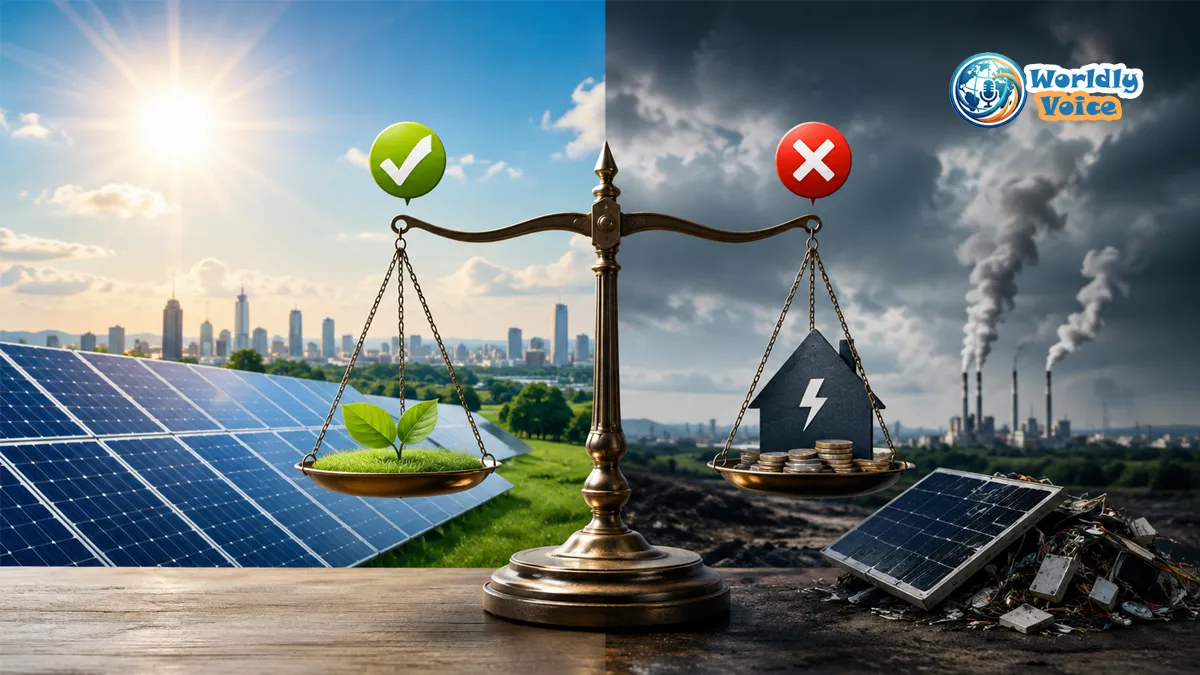
Solar energy has moved from a niche technology to a major part of the global electricity system. But if you are asking what are the advantages and disadvantages of solar energy, the honest answer is more nuanced than simply saying that solar is “clean” or “cheap.” Solar power can reduce electricity purchases, diversify energy supplies, and produce electricity without direct air pollution during operation. At the same time, systems can require substantial upfront investment, depend on available sunlight, need suitable space, and sometimes require batteries or grid backup.
The right choice therefore depends on the property, electricity use, local solar resource, installation cost, electricity prices, and rules governing exported electricity.
What Are the Advantages and Disadvantages of Solar Energy?
Solar energy uses radiation from the sun to produce useful heat or electricity. The most familiar technology is solar photovoltaic (PV), in which semiconductor cells convert sunlight directly into electricity. Solar thermal technologies, meanwhile, capture sunlight as heat.
The main pros and cons can be summarized simply:
These are the major advantages and disadvantages of solar energy, but their importance varies considerably from one installation to another.
How Does Solar Energy Work?
A typical grid-connected solar PV system follows a straightforward process:
- Solar panels absorb sunlight.
- Photovoltaic cells convert that sunlight into direct-current (DC) electricity.
- An inverter converts DC electricity into alternating-current (AC) electricity for ordinary household or commercial use.
- The electricity can power appliances and equipment.
- Depending on the system and local electricity rules, surplus electricity can be stored in a battery or sent to the grid.
PV cells are semiconductor devices that convert sunlight directly into electricity. Larger panels contain many cells connected together, and multiple panels can form an array large enough to supply a home or utility-scale facility.
Solar power is therefore different from battery storage. Panels generate electricity; batteries store electricity for later use. Keeping that distinction in mind makes many of the benefits and drawbacks easier to understand.
Advantages of Solar Energy
1. Solar Is a Renewable Energy Source
Sunlight is continuously replenished by natural processes, unlike finite fuels such as coal, oil, and natural gas. A solar PV system does not need fuel deliveries every time it generates electricity.
That makes solar an important part of the global shift toward renewable electricity. The scale of that shift is substantial: the International Energy Agency (IEA) reports that solar PV generated about 600 terawatt-hours (TWh) of additional electricity in 2025, the largest one-year increase in generation from any source outside post-crisis rebound periods. Solar PV alone supplied around 70% of global electricity-generation growth that year.
2. It Can Reduce Electricity Bills
For homeowners and businesses, one of the most practical benefits of solar panels is the potential to buy less electricity from the grid.
However, solar savings are not identical for every customer. They depend on factors such as:
- Electricity consumption
- Solar system size
- Local sunlight conditions
- Roof orientation and shading
- Electricity rates
- How much solar electricity is used immediately
- Battery storage
- Compensation for electricity exported to the grid
A system that produces electricity when a home is using it can provide particularly useful energy savings. By contrast, a household with low daytime consumption may place greater importance on storage or the local rules for exporting excess generation.
The financial value should therefore be calculated from the property’s actual electricity use rather than estimated from panel capacity alone.
3. Solar Produces No Direct Air Pollution During Operation
Solar PV systems do not burn fuel to generate electricity, so they do not produce direct air pollutants or carbon dioxide emissions during operation. The U.S. Energy Information Administration identifies the absence of operating air pollutants and direct CO₂ emissions as important benefits of solar energy.
That does not mean a solar panel has zero environmental footprint. Manufacturing equipment, extracting raw materials, transporting components, constructing projects, and managing equipment at the end of its useful life all require resources.
The more accurate description is that solar electricity is a low-emission energy source during its operating phase, rather than an energy technology with no environmental impacts whatsoever.
4. Solar Can Reduce Dependence on Fossil Fuels
Every unit of solar electricity that replaces electricity generated from fossil fuels can reduce the need for those fuels, although the actual effect depends on the electricity system being displaced.
The broader trend is significant. According to the IEA’s 2026 review, the deployment of solar PV, wind, nuclear power, electric vehicles, and heat pumps since 2019 avoided more than 35 exajoules of annual fossil-fuel demand in 2025 and prevented about 3 gigatonnes of CO₂ emissions annually.
Solar is only one part of that result, but its contribution is increasingly important.
5. Operating Requirements Are Relatively Low
Once installed, a solar PV system does not need a continuous fuel supply. Routine maintenance may include monitoring performance, inspecting components, and keeping panels reasonably clean where dirt or dust significantly affects output.
Solar equipment does, however, contain components that eventually need attention or replacement. Inverters, for example, may need replacement before the panels themselves reach the end of their useful service.
DOE notes that many existing PV systems continue operating for decades, with typical systems maintaining at least 80% of their initial power output for at least 25 years.
6. Solar Can Be Scaled to Different Applications
Solar is unusually flexible in size.
It can be used for:
- Small residential rooftop systems
- Commercial buildings
- Community solar projects
- Agricultural installations
- Large utility-scale solar farms
- Remote water pumps
- Off-grid solar systems
- Portable or specialized equipment
This scalability makes solar useful in both densely populated areas and locations where extending conventional electricity infrastructure would be difficult.
7. Solar Plus Storage Can Improve Energy Resilience
A solar system connected to a battery can provide more flexibility than panels alone.
During sunny periods, solar electricity can power loads while excess electricity charges the battery. Later, stored electricity can be used when solar production falls. Depending on the system design, battery storage can also provide backup power during some grid outages.
The important qualification is that solar panels alone do not automatically provide backup electricity during a grid outage. A properly configured battery or other backup system may be required.
DOE specifically identifies solar-plus-storage as a way to support reliability, resilience, and grid security.
Disadvantages of Solar Energy
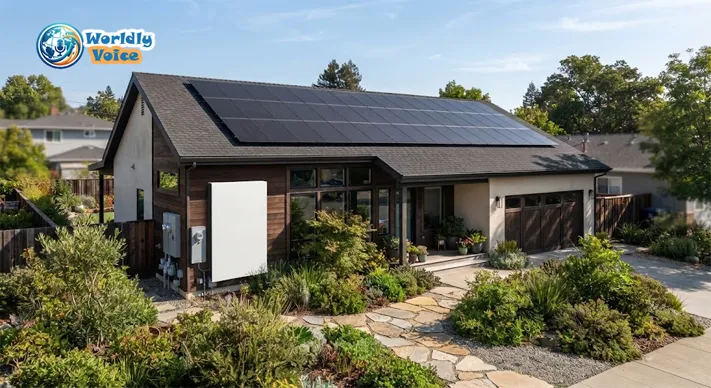
The solar power disadvantages are just as important as the advantages, particularly for someone deciding whether to invest in a system.
1. The Initial Cost Can Be Significant
The largest obstacle for many customers is the upfront cost of solar panel installation.
A complete system may include:
- Solar panels
- Inverter equipment
- Mounting hardware
- Electrical wiring
- Installation labor
- Permits and inspections
- Possible electrical upgrades
- Battery storage, if selected
The cost is not simply the price of the panels. Installation complexity, labor, financing, permitting, equipment selection, and local market conditions can all affect the final price.
This is why comparing two solar quotes based only on panel wattage can be misleading.
2. Solar Electricity Is Intermittent
One of the most important benefits and drawbacks to understand is that solar production varies.
Sunlight changes with:
- Time of day
- Season
- Weather
- Location
- Cloud cover
- Dust and atmospheric conditions
- Shading from trees or buildings
Solar generation is therefore not constant. The EIA describes solar energy as variable and intermittent and notes that location, season, weather, latitude, clouds, dust, and shading can affect the solar resource available to a system.
3. Conventional PV Does Not Generate Electricity at Night
This limitation is straightforward: conventional solar PV requires sunlight.
A home still uses electricity after sunset, so nighttime demand must be supplied by:
- Grid electricity
- Battery storage
- Another generator
- A combination of these options
For a grid-connected homeowner, this may not be a major problem because the grid remains available. For an off-grid property, however, storage and backup generation can become much more important.
4. Batteries Add Cost and Complexity
Solar battery storage can improve self-consumption and backup capability, but it also increases the system’s purchase price and adds another component that must be installed, monitored, and eventually managed at the end of its useful life.
Therefore, a person comparing solar panel pros and cons should ask whether a battery is actually necessary.
A grid-connected home with favorable electricity-export rules may have little need for a large battery. An off-grid property or a household that strongly values backup power may find storage much more valuable.
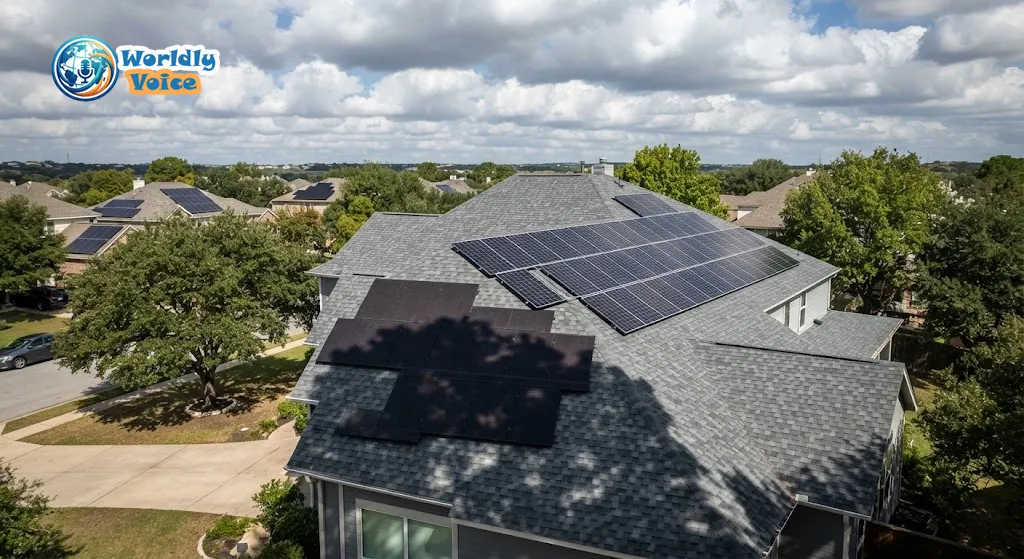
5. Not Every Roof or Property Is Suitable
Solar panels need sufficient space and sunlight.
Potential problems include:
- Heavy shade
- Small roof area
- Poor roof condition
- Structural limitations
- Obstructions from chimneys or nearby buildings
- Unsuitable roof orientation or layout
A property can have plenty of annual sunshine and still be a poor solar site if most of its usable roof is shaded.
This is why a professional site assessment can be more useful than simply looking at the number of sunny days in a region.
6. Large Solar Projects Can Require Significant Land
Rooftop systems use existing built space, but utility-scale projects may require substantial areas of land.
That creates questions around land availability, ecological effects, visual impact, agricultural use, and transmission infrastructure. The appropriate assessment depends heavily on the project location and design.
Solar is not automatically environmentally preferable in every possible siting decision; responsible planning matters.
7. Solar Panels Have a Full Life Cycle
The environmental discussion should extend beyond the moment electricity reaches the inverter.
Solar equipment requires materials and energy for manufacturing and transportation. At the end of its useful life, panels and other components need appropriate reuse, recycling, or disposal.
DOE notes that recycling processes exist for common PV technologies, but recycling can still cost more than landfill disposal in the United States. Research is continuing to improve recovery of valuable materials and reduce end-of-life environmental impacts.
That is an important qualification when evaluating claims that solar is completely “clean.”
8. Economics Depend on Local Policies
The financial case for solar can change when electricity tariffs or regulations change.
Important factors can include:
- Net-metering or net-billing arrangements
- Compensation for exported electricity
- Electricity prices
- Solar incentives
- Permitting requirements
- Interconnection rules
- Financing costs
DOE notes that changes in utility policies can affect the savings a homeowner receives from electricity sent back to the grid.
For this reason, a solar system that makes excellent financial sense in one location may produce a much weaker return somewhere else.
Pros and Cons of Solar Energy at a Glance
The table captures the basic major pros and cons to consider, but the practical decision requires looking beyond the list.
Benefits and Drawbacks for Homeowners
For a homeowner, the most useful question is not simply, “Is solar good?”
It is:
Does solar make financial and practical sense for this particular property?
Solar may be more attractive when a home has good sun exposure, relatively high electricity consumption, suitable roof space, and electricity rates that make self-generated power valuable.
It may be less attractive when the roof is heavily shaded, the installation requires expensive structural work, electricity use is very low, or the local rules provide little value for exported electricity.
The expected time you will remain in the property can also matter. A long-term homeowner may have more opportunity to benefit from years of solar generation than someone planning to move soon.
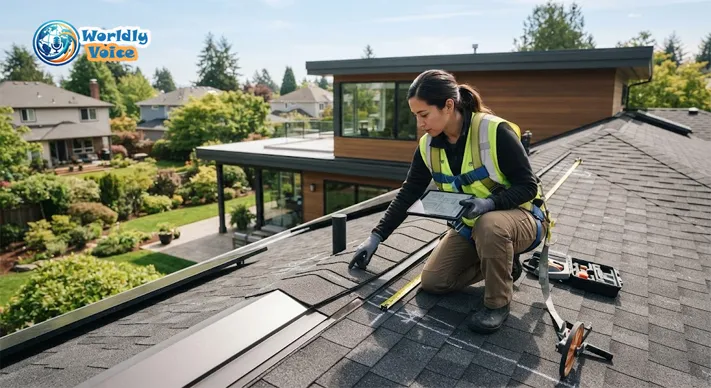
Before signing a contract, compare the total installed cost, estimated annual generation, expected electricity savings, financing cost, battery requirements, warranty terms, maintenance needs, and local electricity rules.
Major Pros and Cons to Consider Before Going Solar
Major advantages
Long-term energy savings: A properly sized system can reduce electricity purchases over many years.
Renewable generation: Solar uses sunlight rather than continuously consuming a fuel source.
Lower operating emissions: PV electricity generation does not directly release air pollutants or CO₂ during operation.
Greater energy independence: Generating electricity locally can reduce reliance on grid electricity, especially when paired with storage.
Scalability: Systems can be designed for individual homes, businesses, communities, or utility-scale generation.
Major disadvantages
Upfront investment: The installation cost can be substantial.
Intermittency: Solar production changes throughout the day and across seasons.
Storage expense: Batteries may be necessary for certain backup or off-grid applications.
Site limitations: Roof condition, shading, orientation, and available space can determine whether a project works well.
Policy dependence: Export compensation, electricity prices, incentives, and interconnection rules can significantly affect financial performance.
Is Solar Energy Worth It?
Solar can be worthwhile, but there is no universal answer.
For a property with strong sunlight, a suitable roof, meaningful electricity consumption, reasonable installation costs, and favorable local electricity economics, solar can offer substantial long-term value. A poorly positioned or heavily shaded property with expensive installation requirements may have a very different result.
The broader energy market also shows why solar deserves serious consideration. The IEA reports that solar PV accounted for more than three-quarters of new renewable capacity additions worldwide in 2025. Its Renewables 2025 outlook expects solar PV to represent almost 80% of the global increase in renewable power capacity through 2030.
Those figures demonstrate solar’s growing importance, but global growth does not automatically mean every individual installation is a good investment.
The best approach is to evaluate the property first and the technology second.
Frequently Asked Questions
What are the advantages and disadvantages of solar energy?
The main advantages include renewable electricity generation, potential electricity savings, low direct operating emissions, reduced fossil-fuel dependence, scalability, and relatively low routine operating requirements. The disadvantages include upfront costs, variable production, nighttime limitations, storage costs, space requirements, and environmental impacts associated with manufacturing and end-of-life management.
What are the biggest advantages of solar energy?
The biggest advantages are the ability to generate electricity from a renewable resource, potentially reduce grid electricity purchases, and produce electricity without direct air pollution or CO₂ emissions during operation.
What are the main disadvantages of solar energy?
The biggest drawbacks are usually the initial investment and dependence on sunlight. For some properties, shading, limited roof space, battery costs, or local electricity policies can also significantly affect the value of a system.
Do solar panels work on cloudy days?
Yes. PV panels can still generate electricity under cloudy conditions, but output generally decreases because less solar radiation reaches the panels. The exact reduction depends on the cloud conditions, technology, location, and system design.
Do solar panels work at night?
Conventional PV panels do not generate electricity without sunlight. Electricity at night can come from the grid, batteries, or another backup source.
Is solar energy completely clean?
No energy technology has literally zero environmental impact across its entire life cycle. Solar PV produces no direct air pollution or CO₂ while generating electricity, but manufacturing, transportation, land use, and end-of-life management have environmental considerations.
Final Verdict
So, what are the advantages and disadvantages of solar energy? Solar’s strongest advantages are its renewable fuel source, low-emission operation, scalability, potential to reduce electricity purchases, and ability to complement battery storage and other energy technologies.
Its weaknesses are equally real: the initial investment can be substantial, sunlight is variable, conventional PV cannot generate electricity at night, batteries can add expense, and the financial case depends heavily on the property and local electricity rules.
That balance is what makes a careful solar assessment worthwhile. Rather than asking whether solar energy is universally good or bad, compare the pros and cons against your electricity use, roof or land conditions, local solar resource, installation quote, storage needs, and utility rules.
Solar is becoming an increasingly important part of the global energy system. But the best solar project is not simply the one with the most panels—it is the one that fits the location, energy needs, budget, and long-term goals.
