


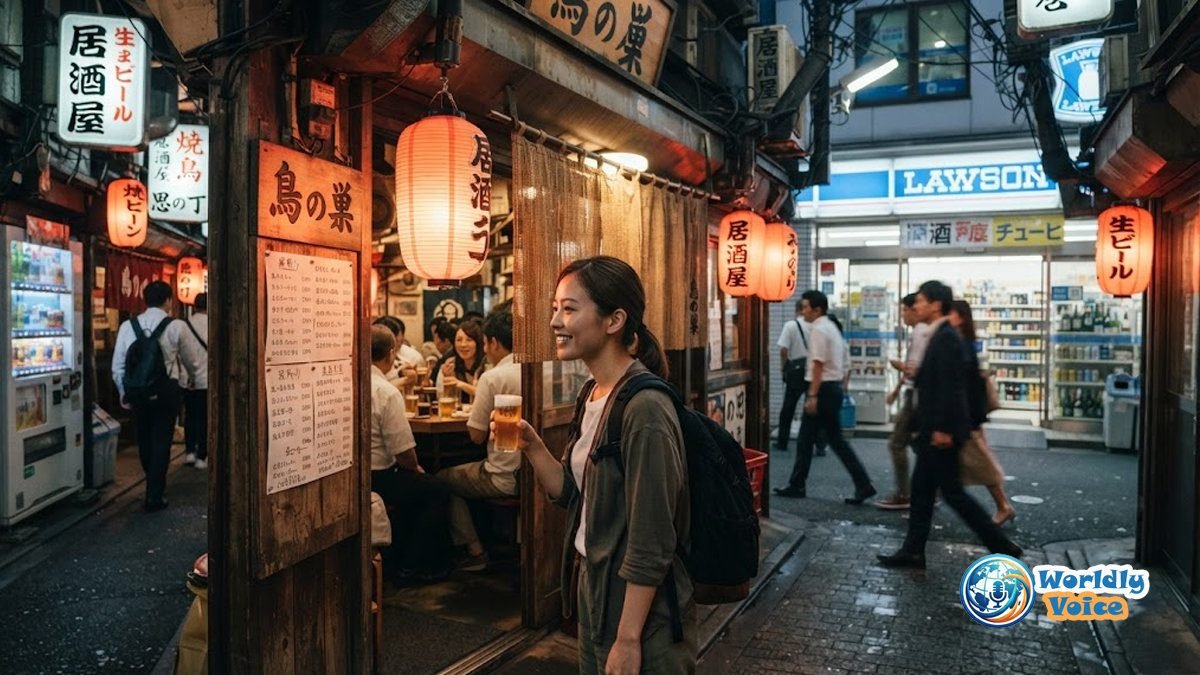
Planning a trip to Japan is exciting. I still remember my first evening in Tokyo: neon signs, tiny alleyway bars, and the unmistakable clink of beer glasses from packed izakayas. But before you dive into that side of the country, it helps to understand drinking laws Japan visitors are expected to follow. Japan can feel relaxed about alcohol in daily life, yet the rules that do exist are real, enforced, and important for tourists to respect.
If you are wondering about the legal drinking age in Japan, whether can you drink in public in Japan is allowed, or what happens when buying alcohol in Japan as a tourist, this guide breaks it down in plain English. I’ll also cover Japan alcohol purchase ID checks and rules, public etiquette, and a few details many travelers miss until they are already there.
And if Japan is one stop on a bigger travel plan, I often recommend comparing practical travel norms across destinations too—just like you might when reading a Barbados travel guide or planning an adventure after learning Where Is Belize.
1. The Legal Drinking Age in Japan Is 20
This is the first rule to know. The legal drinking age in Japan is 20.
That surprises some travelers because Japan lowered the age of adulthood to 18 in 2022. But alcohol, tobacco, and gambling were not included in that change. So while an 18-year-old can legally do some adult things in Japan, they still cannot legally drink alcohol.
This is one of the most important parts of japanese drinking laws because it applies equally to:
- Japanese citizens
- Foreign residents
- International students
- Short-term tourists
Your home country’s rules do not matter here. If drinking is legal at 18 where you live, that does not create an exception in Japan. In my experience, this is where younger travelers get caught off guard. They assume the law “travels” with them. It does not.
What happens if someone under 20 drinks?
Penalties can vary depending on the situation, but the bigger risk for tourists is not usually a dramatic arrest scene. It is the trouble created for the business that served or sold the alcohol. Stores, bars, and restaurants can face penalties for selling to minors, which is why staff may be cautious.
If you are traveling with younger family members, this is worth repeating clearly before you arrive.
2. Buying Alcohol in Japan as a Tourist Is Easy—But Not Casual
One of the most striking things I noticed in Japan is how easy it is to buy alcohol. Compared with some countries, access feels almost effortless. Buying alcohol in Japan as a tourist is usually straightforward if you are 20 or older and can prove it if asked.
You can typically buy alcohol at:
- Convenience stores like 7-Eleven, Lawson, and FamilyMart
- Supermarkets
- Department store food halls, often called depachika
- Liquor shops
- Bars, izakayas, and restaurants
- Some hotels and entertainment venues
You’ll find beer, sake, Japanese whisky, wine, and canned cocktails almost everywhere. Chuhai and highball cans are especially common in conbini stores.
Conbini alcohol rules Japan travelers should know
The phrase conbini alcohol rules Japan often comes up because convenience stores are so central to everyday life. In many stores, the cashier screen will display an age confirmation prompt asking you to confirm you are over 20. That does not always mean the staff fully verified your age. It is part of the transaction process.
Still, if you look young, expect to be asked for ID.
The safest move is simple: carry your original passport. By law, foreign tourists in Japan are expected to carry it anyway. That same passport is your best proof of age.
Alcohol vending machines still exist, but tourists rarely use them
Older travel stories sometimes mention alcohol vending machines. They were once much more common. Today, they are relatively rare, especially in major tourist areas. Some that remain may require age-verification tools linked to local systems, which tourists usually do not have access to.
So yes, they exist in limited cases. No, you should not plan around them.
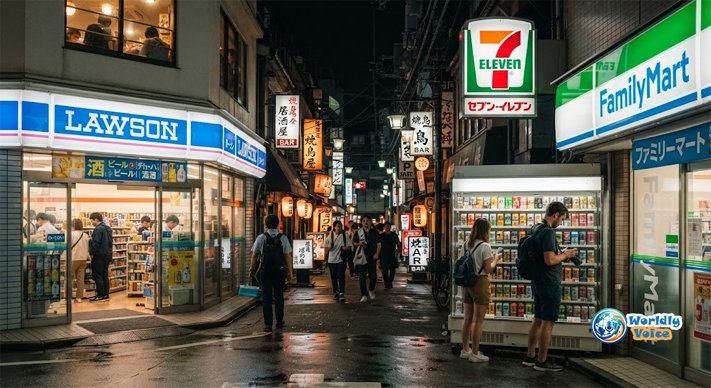
3. Japan Alcohol Purchase ID Checks and Rules Can Be Stricter Than They Look
At first glance, buying a drink in Japan can feel very relaxed. But that does not mean rules are absent. In practice, Japan alcohol purchase ID checks and rules are designed to protect sellers from underage sales.
Here is what I have seen most often:
| Situation | What Usually Happens | What You Should Do |
|---|---|---|
| Buying alcohol at a convenience store | Screen asks if you are over 20 | Confirm honestly; carry passport |
| Buying in a supermarket | Cashier may visually judge age or ask for ID | Keep passport ready |
| Ordering at a bar or izakaya | Staff may not ask unless you look young | Do not assume checks are optional |
| Using vending machines | Rare and often age-restricted | Do not rely on them |
| Hotel minibar or room service | Age checks may be minimal | Rules still apply |
This is a good place to answer a common search query: Japan drinking age for foreigners is also 20. There is no separate tourist standard.
Passport matters more than you think
I always tell travelers this: do not leave your passport in the hotel because “I only need my phone and wallet.” In Japan, your passport is not just travel ID. It may be requested by police for identity checks, and it is the most useful proof of age for alcohol purchases.
A photo or photocopy may not be accepted.
For official guidance, the Japan National Tourism Organization is a useful starting point for travel rules and visitor expectations.
4. Can You Drink in Public in Japan? Usually, Yes
This is one of the biggest surprises for first-time visitors. If you are asking can you drink in public in Japan, the general answer is yes.
Unlike many cities in the United States, Canada, or Europe, Japan does not have a broad nationwide ban on public drinking. You will often see people drinking in parks during cherry blossom season, carrying canned drinks after work, or enjoying festival food with beer in hand.
That said, “legal” does not mean “anything goes.”
Open container laws Japan travelers should understand
When people search for open container laws Japan, they are often trying to compare Japan with stricter countries. In Japan, open alcohol in public is usually permitted, but behavior matters more than the container itself.
Police are much more likely to respond to:
- Loud, disruptive behavior
- Harassing others
- Property damage
- Vomiting or passing out in ways that create a public nuisance
- Drinking in areas where venue-specific rules prohibit it
So yes, public drinking is broadly allowed. Public disorder is not.
Alcohol laws in Tokyo can still vary by place
The broad answer applies in Tokyo, Osaka, Kyoto, and many other places. But alcohol laws in Tokyo can feel more restrictive in certain spaces because local event rules, park regulations, or crowd-control measures can limit drinking.
For example, some gardens, temple grounds, or special event zones prohibit alcohol entirely. Shinjuku Gyoen National Garden is one well-known place where alcohol restrictions have existed during busy periods, especially around cherry blossom season.
My rule of thumb is this: if the setting feels cultural, quiet, family-oriented, or highly managed, look for signs before opening a can.
5. Can You Drink on Trains in Japan? Sometimes, But Read the Room
This one confuses a lot of visitors. The short version: can you drink on trains in Japan? Yes, sometimes.
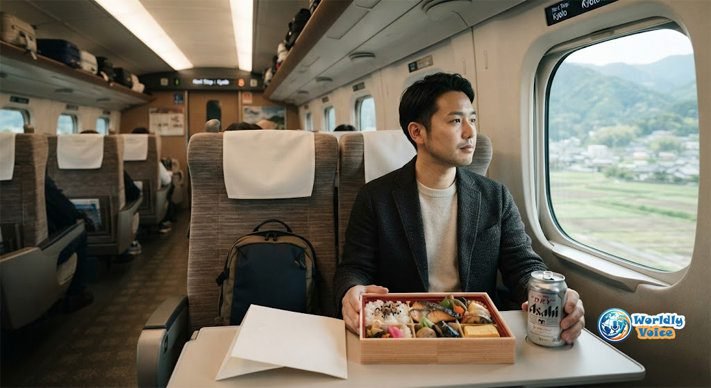
On long-distance trains, especially certain limited express services or the Shinkansen, drinking is normal. I have seen commuters, business travelers, and vacationing families share beer, canned cocktails, and ekiben meals on intercity journeys.
Shinkansen alcohol policy
The shinkansen alcohol policy is generally permissive. Drinking alcohol on board is allowed unless a specific operator rule says otherwise. But etiquette matters.
Here is what I recommend:
- Keep the volume low
- Avoid strong-smelling snacks in crowded cars
- Clean up your trash
- Do not overdo it
- Respect quiet cars and late-night settings
On local commuter trains, drinking is less common and may feel inconsiderate, especially during rush hour. Technically possible does not always mean socially smart.
That distinction comes up often in japanese drinking laws discussions: legal standards and social standards are not always the same.
6. Public Intoxication Laws Japan Visitors Should Not Ignore
Japan may seem tolerant of drinking, but there are limits. Searches for public intoxication laws Japan usually reflect this tension. Public drinking is one thing. Causing trouble is another.
Japan does not operate on a simple “open container banned” model. Instead, enforcement often centers on conduct. If a person becomes aggressive, disruptive, or unsafe, police can step in.
In nightlife areas like Shibuya, Shinjuku, Dotonbori, or Roppongi, I have noticed that officers are usually more concerned with maintaining order than punishing someone for holding a drink. But if alcohol leads to disorderly behavior, that calm can end quickly.
Tourists should be especially careful because language barriers can make minor incidents harder to resolve.
Practical advice
- Stay with friends at night
- Know your hotel address
- Keep your phone charged
- Avoid arguments with bar staff or police
- Do not assume being drunk excuses behavior
That mindset will protect your trip far more than memorizing statutes.
7. Zero Tolerance for Drunk Driving Means Exactly That
If there is one area where Japan is notably strict, it is impaired driving.
Do not drive after drinking. Not a little. Not “just one.” Not on a scooter. Not on a bicycle if local enforcement is active.
Japan has severe penalties related to drunk driving, and they can extend beyond the driver. In some cases, passengers or establishments that knowingly enabled a drunk person to drive may also face consequences.
This is one of the clearest, most serious parts of drinking laws Japan.
If you plan to explore rural areas, hot spring towns, or scenic regions by rental car, choose a designated non-drinker or use public transport. It is not worth the risk.
For official legal context, Japan’s National Police Agency provides public safety information, and the Ministry of Foreign Affairs of Japan is also useful for broader traveler guidance.
8. Izakaya Drinking Etiquette Japan Visitors Should Know
Some of the most meaningful travel moments happen around a shared table. In Japan, drinking is not only about alcohol. It is often about rhythm, respect, and group connection.
Understanding izakaya drinking etiquette Japan can make your experience smoother and more enjoyable.
A few simple customs
- Wait until everyone has a drink before the first toast
- Say “kanpai” together
- If you are in a group, offer to pour for others
- Do not make a show of pouring only for yourself
- Pace yourself with food
In my experience, locals rarely expect foreigners to get every detail right. Effort matters more than perfection. A polite smile and basic awareness go a long way.
This is also where travel style matters. If you enjoy cultural context and practical etiquette in one place, that same mindset helps whether you are comparing nightlife customs in Japan or outdoor adventures like Canopy Tour vs Zipline in another destination.
9. Quick Checklist Before You Order Your First Drink
Here is the short version I would give any friend flying to Japan tomorrow:
- You must be 20 to drink
- The rule applies to tourists too
- Carry your original passport
- Convenience stores sell alcohol widely
- Public drinking is usually legal
- Some parks, gardens, and event spaces ban it
- Drinking on the Shinkansen is generally okay
- Being disruptive can still attract police attention
- Drunk driving rules are extremely strict
- Social etiquette matters almost as much as the law
FAQs About Drinking Laws in Japan
What is the legal drinking age in Japan for tourists?
The legal drinking age in Japan is 20 for everyone, including tourists and foreign residents.
Can you drink in public in Japan?
Yes, in many places. If you are asking can you drink in public in Japan, the general answer is yes, but some venues, parks, or events ban alcohol on their grounds.
Do stores check ID when buying alcohol in Japan as a tourist?
Sometimes. Buying alcohol in Japan as a tourist may involve a screen confirmation or a direct ID request. Your passport is the best document to carry.
Can you drink on trains in Japan?
Yes, especially on long-distance services. For can you drink on trains in Japan, the practical answer is that it is common on intercity trains but less appropriate on crowded commuter lines.
Are alcohol laws in Tokyo different from the rest of Japan?
Not dramatically at the national level, but alcohol laws in Tokyo may feel different because local venues, parks, and seasonal events can impose specific restrictions.
What should I do if I want more destination-specific travel planning?
It helps to compare cultural norms and trip logistics across destinations. I often suggest reading practical pieces like Where Is Belize or a Barbados travel guide to build that same habit of researching local rules before arrival.
Final Thoughts on Drinking Laws Japan Travelers Should Remember
Japan is one of the easiest places in the world to enjoy a drink responsibly. You can step into a tiny Kyoto bar, grab a canned highball at a Tokyo conbini, or share a toast on a train ride past Mount Fuji. That freedom is part of the appeal. But understanding drinking laws Japan expects visitors to follow is what keeps that experience smooth.
The core points are simple. The drinking age is 20. Public drinking is often allowed. ID checks can happen. Passport rules matter. Disorderly behavior and drunk driving are taken seriously. And in many situations, etiquette fills the space where written law seems quiet.
If you keep those basics in mind, you will be able to enjoy Japan’s food and nightlife with confidence. And if you are the kind of traveler who likes being prepared, the same habit will help everywhere—from researching Canopy Tour vs Zipline excursions to choosing the right Barbados travel guide for your next island trip.
References
Travel Disclaimer
Laws, local municipal ordinances, and venue rules regarding public alcohol consumption and travel requirements can change. Always check local signage and official guidelines during your trip.
