


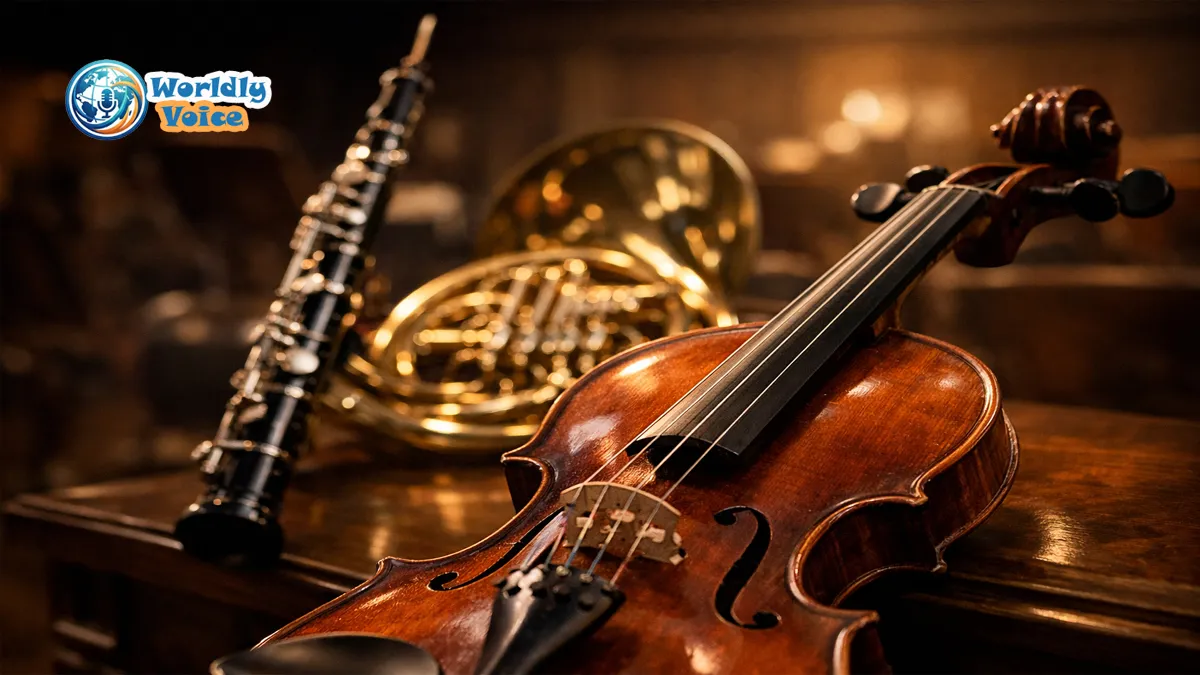
If you’ve ever asked what is the hardest instrument to play, you’re not alone. I’ve heard that question from beginners, parents, band students, and even experienced musicians looking to switch instruments. In my experience, the answer is not just about talent. It’s about precision, posture, endurance, coordination, and how forgiving—or unforgiving—an instrument is when you make a tiny mistake.
In 2026, the broad consensus is clear: the violin is widely considered the hardest instrument to learn to play, with the oboe and French horn close behind. That said, “hardest” depends on what kind of challenge you mean. Some instruments punish bad pitch. Others demand intense breath control. Some require your hands, arms, lips, ears, and core muscles to work together at once.
I’ve worked with student musicians and watched rehearsals where even advanced players struggled with instruments that look elegant from the audience but feel brutal in the practice room. A French horn note cracks in a split second. An oboe reed fights back. A violin finger lands a millimeter off, and the note sours instantly.
This guide breaks down the hardest musical instruments ranked, why they’re so demanding, and how to think about difficulty if you’re choosing your next instrument.
Along the way, I’ll also connect this topic to broader performance and culture conversations—much like how stagecraft matters in A Complete Guide about James Earl Jones Theater or how artistic discipline shows up in story-driven works like First Love Maze Manga. Music mastery lives in that same world of precision, emotion, and repetition.
What Defines the Hardest Instrument?
Before ranking anything, I think we need a fair definition. Difficulty is not one thing.
1. Technical precision
Some instruments require microscopic accuracy. The violin has no frets. The oboe depends on tiny adjustments in embouchure and air pressure. The French horn has closely packed harmonics, so one small slip can trigger the wrong note.
2. Physical strain
A difficult instrument can also challenge the body. Cellists manage a large frame and wide stretches. Accordion players multitask while controlling bellows pressure. Brass players build lip strength over years.
3. Coordination demands
Many of the most difficult musical instruments to learn are hard because they ask for multiple systems at once:
- Hands doing different jobs
- Ears constantly adjusting pitch
- Breath control under stress
- Posture and endurance over long rehearsals
4. Endurance and consistency
An instrument is harder when it is difficult not just to start, but to sustain. A piccolo player can’t fade mentally for even a moment. A violinist must maintain intonation through long phrases. An oboist’s setup can change with humidity, temperature, and reed quality.
Most studies and teaching traditions agree on this point: the most difficult instrument to master is usually one that combines technical precision, physical strain, and public exposure. In orchestras, those mistakes are easy to hear.
Hardest Musical Instruments Ranked in 2026
Here’s a practical ranking based on orchestral demands, teaching consensus, and real-world performance difficulty.
| Rank | Instrument | Why It’s So Hard | Typical Musical Setting |
|---|---|---|---|
| 1 | Violin | Fretless fingerboard, bow control, exposed intonation | Orchestra, chamber music, solo repertoire |
| 2 | Oboe | Double reed sensitivity, breath control, reed-making | Orchestra, chamber ensembles |
| 3 | French Horn | Tiny mouthpiece, close harmonics, frequent cracked notes | Orchestra, brass ensembles |
| 4 | Cello | Large stretches, posture demands, advanced bowing | Orchestra, solo, chamber |
| 5 | Piccolo | Extreme high register, breath precision, stamina | Orchestra, marching band |
| 6 | Accordion | Bellows control plus melody/rhythm multitasking | Folk, classical crossover, world music |
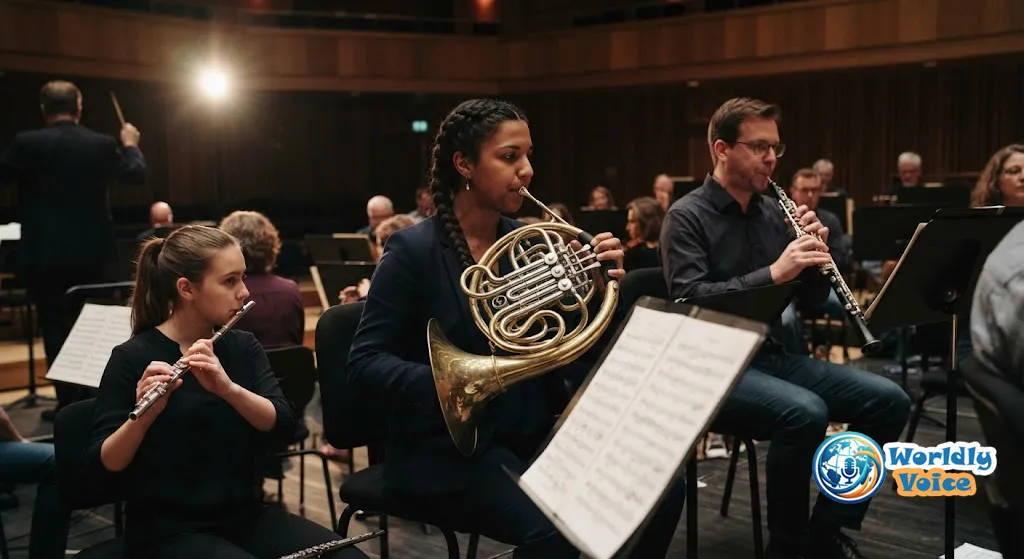
If you’re searching for the most challenging instrument in an orchestra, I’d narrow the conversation to violin, oboe, and French horn. Each is difficult for different reasons, and each is brutally exposed in ensemble settings.
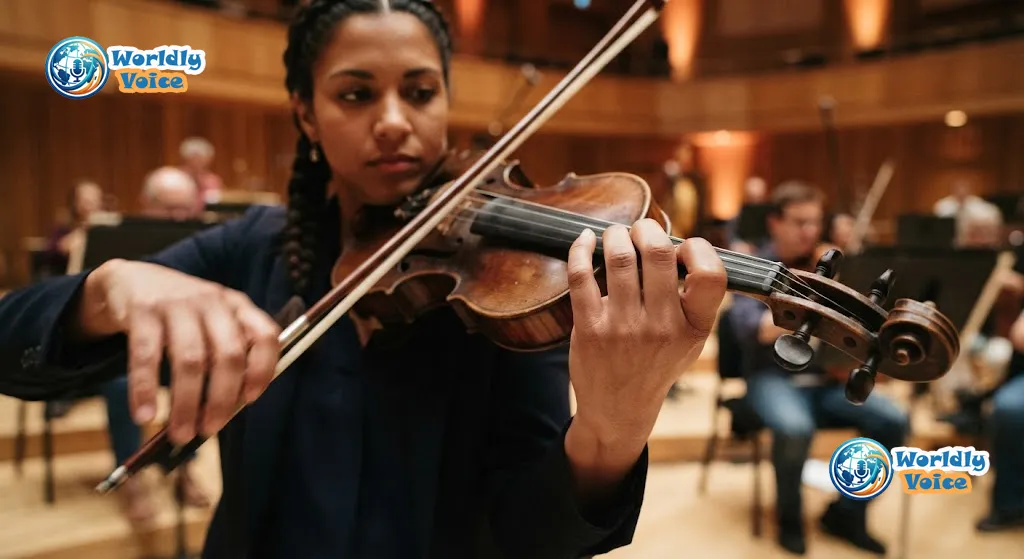
1. Violin: The Widest Consensus for Hardest Overall
When people ask me what is the hardest instrument to play, violin is usually my first answer.
Why is the violin so hard to play?
The short answer: it gives you almost no margin for error.
There are no frets. That means pitch depends entirely on your ear and finger placement. A tiny movement changes everything. On top of that, your right hand controls the bow’s speed, weight, angle, and contact point. So both hands are doing highly sensitive work at the same time.
Here’s what makes violin one of the hardest string instruments to play:
- Intonation must be exact
- Bow control takes years to refine
- Posture can create tension quickly
- Vibrato is hard to develop naturally
- Advanced repertoire demands speed and grace
In my experience, beginners often underestimate bowing. They focus on left-hand fingers, but the bow is where tone lives. A violinist can hit the correct note and still sound rough if the bow arm is unstable.
At high levels, violin gets even tougher. Think of Niccolò Paganini or major concertos by Tchaikovsky and Sibelius. These works combine speed, expression, memory, endurance, and flawless pitch.
For a trusted reference on violin history and technique, the violin overview from Encyclopaedia Britannica is useful.
2. Oboe: The Instrument That Fights Back
If violin is the hardest instrument to learn to play for many students, the oboe may be the most difficult instrument to master over the long term.
I’ve watched oboists spend as much energy managing their reeds as practicing the music itself. That is not an exaggeration. The reed is part of the instrument’s personality, and sometimes its mood.
Why oboe is so difficult
The oboe uses a double reed, which requires:
- Very specific lip pressure
- Focused, controlled airflow
- Constant adjustment to response and tuning
- Reed maintenance or custom reed-making
This is why the oboe appears so often in lists of the hardest brass and woodwind instruments—well, woodwind in this case. Every squeak is obvious. Every pitch issue is exposed. And because the oboe often gives the tuning note to the orchestra, the player carries extra responsibility.
There’s also a strange paradox here. Oboe needs strong air support, but the instrument resists airflow. That can make players feel both overworked and restricted at once.
For broad context on woodwind acoustics and orchestral use, the oboe resource from Britannica is helpful.
3. French Horn: The Most Challenging Instrument in an Orchestra?
If someone argued that the most challenging instrument in an orchestra is the French horn, I would not push back much.
The French horn is notorious. Even elite players crack notes. That’s because the instrument’s harmonic series is tightly packed, especially in the upper register. You can be very close and still miss.
Why French horn is feared
- Small mouthpiece demands precision
- Long tubing complicates response
- Harmonics sit close together
- Hand position in the bell affects pitch and tone
- Endurance becomes a major issue in long passages
I’ve seen brass sections rehearse difficult horn entrances over and over because the instrument gives so little forgiveness. One shaky attack can stand out in an otherwise excellent performance.
The French horn article at Britannica gives a solid overview of its design and orchestral role.
This is also why French horn ranks high among the hardest instruments to master. It is not enough to know the notes. You need accuracy under pressure.
4. Cello: Bigger Body, Bigger Physical Demands
Cello is often described as more approachable than violin in the early stages. I partly agree. The posture can feel more stable, and the spacing is visually clearer. But as technique develops, cello becomes one of the most challenging instruments in music.
Why cello belongs on this list
- Large fingerboard requires wide stretches
- Shifts into thumb position are risky
- Bow control must remain fluid across strings
- The body works hard to support posture and endurance
I’ve noticed that many players hit a wall when repertoire starts demanding expressive shifts, sustained tone, and advanced left-hand position work. The cello’s beauty hides its physical intensity.
Among musical instruments with steep learning curves, cello deserves more attention than it usually gets.
5. Piccolo: Small Instrument, Huge Demands
People sometimes assume a smaller instrument is easier. Piccolo destroys that myth quickly.
Because it plays so high, every change in breath, embouchure, or support becomes obvious. The sound can turn harsh in an instant. Blending with an ensemble is also difficult because the instrument naturally cuts through texture.
Why piccolo is harder than it looks
- Extreme upper register magnifies errors
- Breath control must be ultra-precise
- Stamina drains fast
- Intonation can become unstable under pressure
In ensemble settings, piccolo is exposed in a different way from violin or oboe. It is not always soloistic, but when it enters, everyone hears it.
6. Accordion: The Ultimate Multitasking Test
Accordion rarely gets enough credit in conversations about the hardest instrument to learn to play, but it should.
You are not just pressing keys or buttons. You are shaping airflow with the bellows, controlling rhythm, balancing melody, and managing coordination across both hands.
Why accordion is uniquely difficult
- Bellows pressure shapes phrasing and tone
- One hand may handle melody while the other manages harmony
- Timing and coordination are constant
- Weight and posture can become tiring
In my experience, accordion is one of those instruments that looks fun from the outside and turns into a full-body puzzle the moment you try it.
So, What Is the Hardest Instrument to Play?
If I had to give one direct answer, I’d say this:
- Hardest overall for most people: Violin
- Most difficult instrument to master over a lifetime: Oboe
- Most challenging instrument in an orchestra: French horn
That breakdown reflects how musicians and teachers often talk about difficulty in real life. The hardest musical instruments ranked differently depending on whether you care most about learning curve, technical ceiling, or ensemble pressure.
How Beginners Should Choose Anyway
This is where I try to be encouraging. The hardest instrument is not always the wrong instrument.
A beginner should ask:
- Do I love the sound enough to practice daily?
- Am I patient with slow progress?
- Do I enjoy detail work?
- Can I access a good teacher?
- Does the instrument fit my body and goals?
Some of the hardest instruments for beginners become deeply rewarding later because they train your ear, discipline, and expression so well.
I’d compare it to performance careers more broadly. Whether someone studies orchestral music, explores visual storytelling, or reads about cultural icons in A Complete Guide about James Earl Jones Theater, mastery usually comes from repetition, feedback, and emotional connection. Even something narrative like First Love Maze Manga reflects the same truth: the art we love often asks the most from us.
You might also connect this topic to broader interests like concert etiquette, rehearsal psychology, music school auditions, and instrument maintenance guides—topics that naturally fit alongside this article on a music and arts site.
Practical Tips If You Choose a Difficult Instrument
If you’re drawn to one of the most difficult musical instruments to learn, here are the habits I recommend:
Start with a teacher early
Hard instruments punish bad habits. Early correction matters.
Practice in short, focused sessions
Fifteen sharp minutes often beats one distracted hour.
Record yourself
What feels right may not sound right.
Expect frustration
This is normal, not failure.
Learn the setup, not just the notes
For oboe, that means reeds. For violin, bow care and shoulder setup. For brass, breath and embouchure maintenance.
Protect your motivation
Celebrate tiny wins. Clean tone on one phrase counts.
FAQs
What is the hardest instrument to play for beginners?
For most beginners, the violin is the hardest because of pitch accuracy, bow control, and posture. It belongs high on any list of hardest instruments for beginners.
What is the most difficult instrument to master?
Many musicians argue for the oboe due to reed-making, embouchure demands, and breath control. Violin and French horn are also top contenders.
Why is the violin so hard to play?
Because it has no frets, intonation must be exact. Add advanced bow technique, ear training, and expressive control, and you get one of the hardest string instruments to play.
What is the most challenging instrument in an orchestra?
The French horn is often considered the most challenging instrument in an orchestra because of its tiny mouthpiece, close harmonics, and high rate of cracked notes.
Are brass or woodwind instruments harder than strings?
It depends. Among the hardest brass and woodwind instruments, French horn and oboe stand out. Strings like violin demand different skills, especially pitch control without frets.
Is accordion really one of the hardest instruments to learn?
Yes. It requires constant multitasking, bellows control, timing, and coordination. It is one of the more overlooked most challenging instruments in music.
Final Thoughts
So, what is the hardest instrument to play in 2026? If we’re speaking broadly, the violin still holds the top spot. It combines unforgiving pitch, difficult bow mechanics, and a steep learning curve that can humble even talented players. Close behind are the oboe and French horn, each difficult in ways that test precision, endurance, and nerve.
If you’re choosing an instrument, don’t let difficulty scare you off. In my experience, the right instrument is the one whose sound keeps pulling you back. Passion can carry you through a tough start. Curiosity can outlast frustration. And with good teaching, even the hardest instrument to learn to play can become a lifelong source of joy.
If you’re exploring related arts and culture topics, you may also enjoy A Complete Guide about James Earl Jones Theater and First Love Maze Manga, especially if you’re interested in how discipline and expression meet across creative fields.
References
- Encyclopaedia Britannica: violin
- Wikipedia: oboe
- Encyclopaedia Britannica: French horn
